
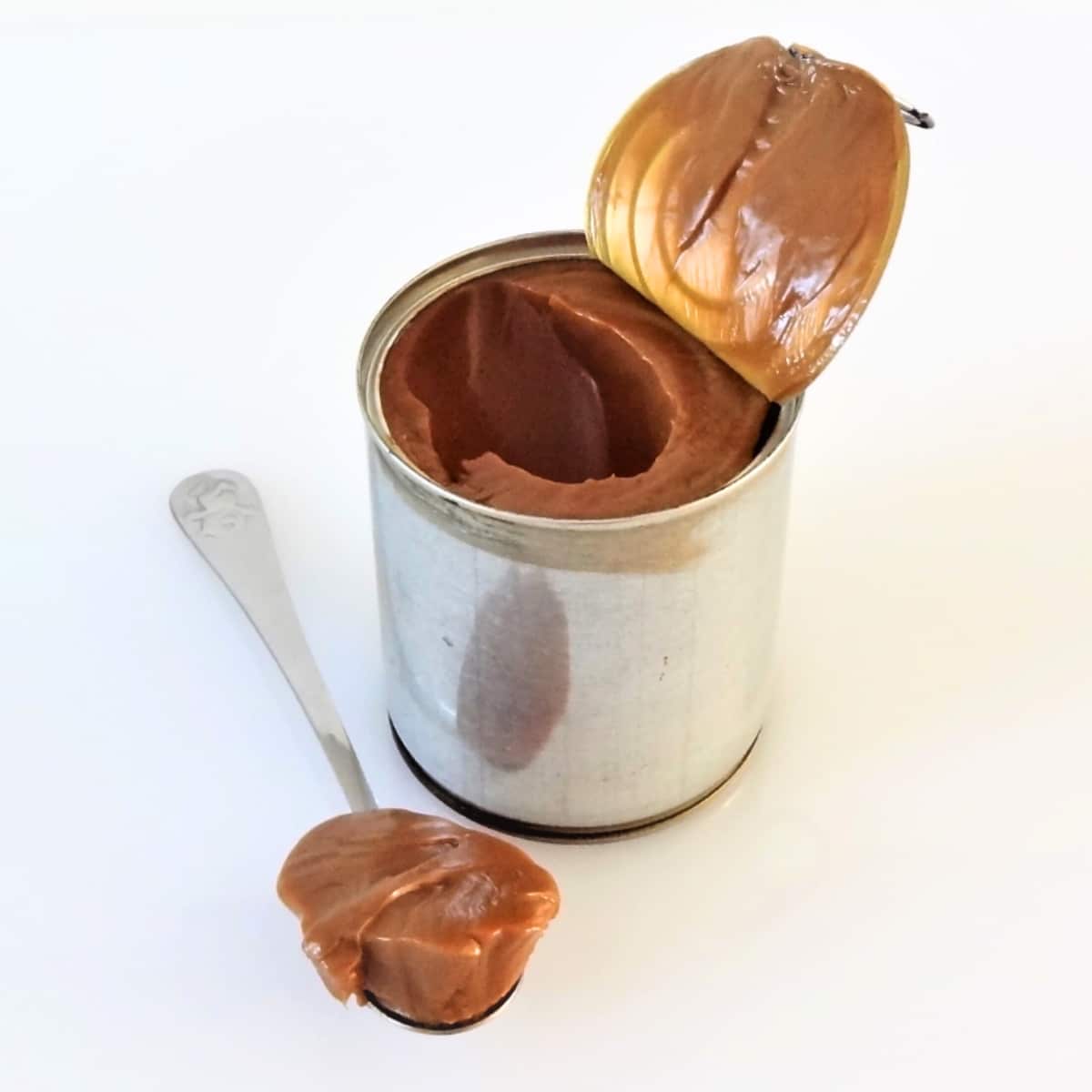
Dulce de Leche, a rich and luscious caramel-like treat, has been delighting taste buds for generations. One popular method of crafting this delectable spread involves simmering cans of sweetened condensed milk in fully submerged water. This process transforms the ordinary into the extraordinary, creating a velvety concoction that can be enjoyed on its own or incorporated into various desserts. However, it's essential to approach this culinary adventure with LOTS of caution.
SUMMARISE AND SAVE THIS RECIPE
Dangers and Precautions
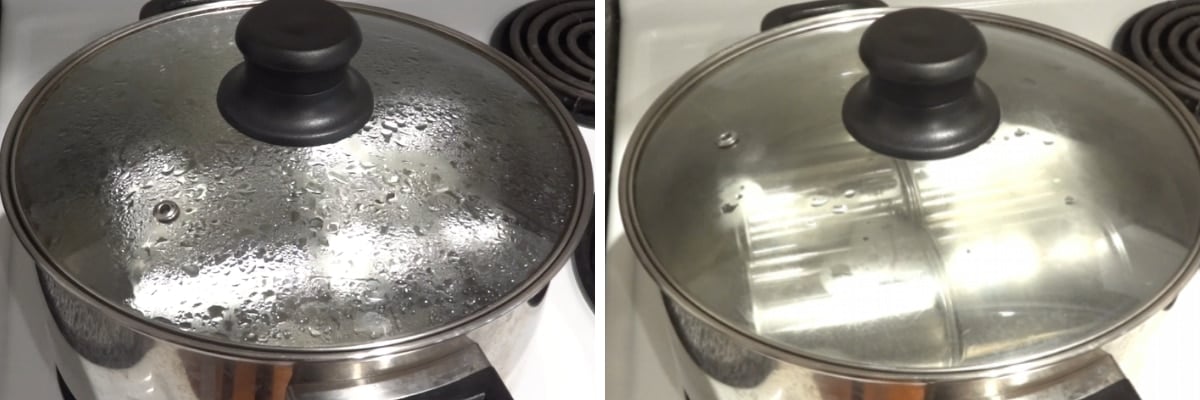
While this method is a popular and time-tested technique, it's essential to be aware of potential dangers. The most significant risk is the possibility of the cans exploding due to pressure buildup. To mitigate this risk, use a large enough pot to allow ample water circulation around the cans. Keep the cans fully submerged at all times, ensuring a safe and controlled environment. I like to use a vented lid rather than having the pot uncovered as it helps to minimize the loss of water from the pot.
Additionally, periodically check the water level during the simmering process to prevent it from dropping too low. Always use caution when handling hot cans, and allow them to cool completely before opening. NEVER OPEN HOT CANS...EVER!!!
Ingredient For Making Dulce de leche
Sweetened Condensed Milk (4 cans, 14 oz each / 397 g each): This is the key ingredient. Sweetened condensed milk is milk that has been sweetened and reduced to a thick, syrupy consistency. When heated, it caramelizes, transforming into the rich and flavorful Dulce de Leche.
Water: Enough water is needed to cover the cans by at least 2 inches (5 cm). This ensures the cans are fully submerged during cooking, allowing for even heating and preventing the cans from overheating. The water also serves as a gentle heat conductor, helping to achieve the desired caramelization without burning.
How To Make Dulce de leche
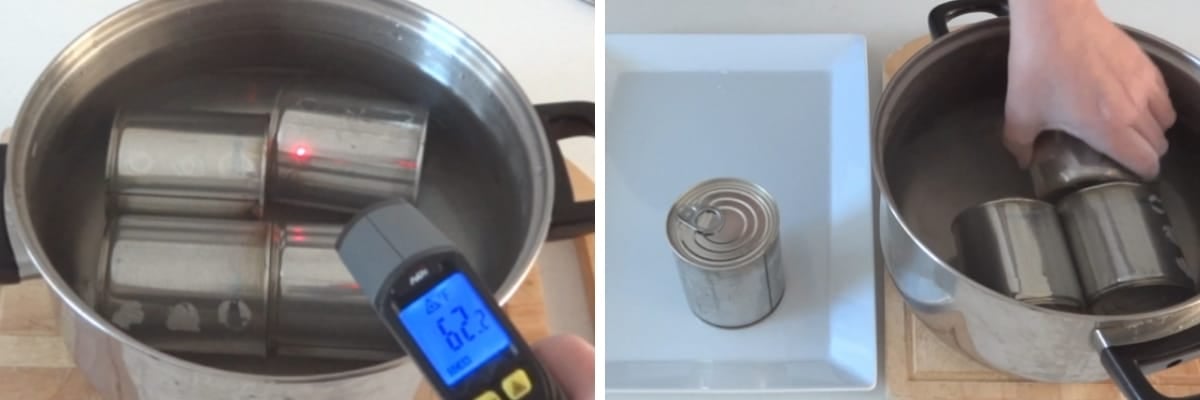
The Simmering Technique: This is my preferred method at the moment. I will update this post in the future to include alternate methods. Start by removing the labels from the cans, ensuring they are fully submerged in water. This immersion prevents the cans from overheating and ensures even caramelization. But more importantly than that, it will help prevent an extremely messy and dangerous explosion! The cans MUST remain FULLY submerged in the water AT ALL TIMES! The magic happens during the simmering time, and it's crucial to pay attention to achieve the desired consistency and flavor. I like to simmer at least four cans at a time.
1. Preparation:
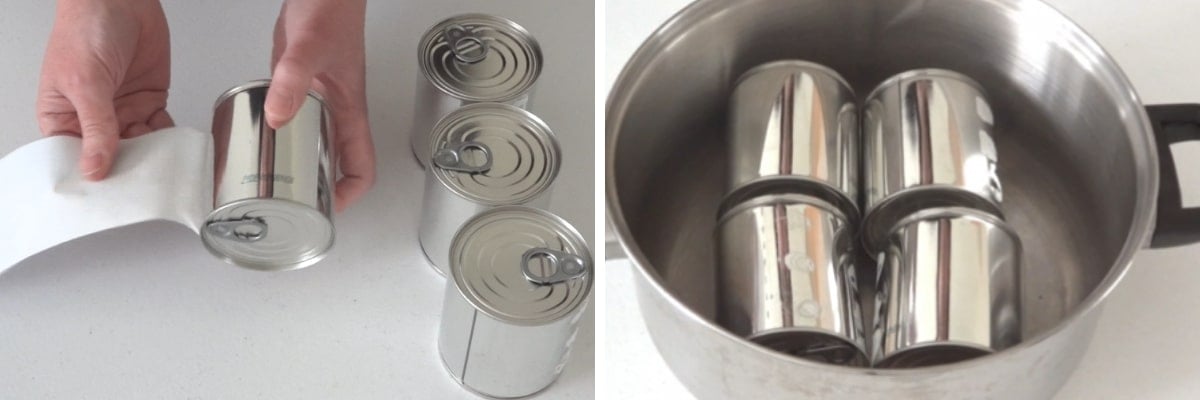
- Removing Labels: Start by peeling off the labels from the cans of sweetened condensed milk. This prevents the labels from detaching during cooking and creating a mess in the pot.
- Placing Cans in the Pot: Arrange the cans upright in a large pot. Ensure they are not touching each other to allow for even heat distribution.
2. Setup:
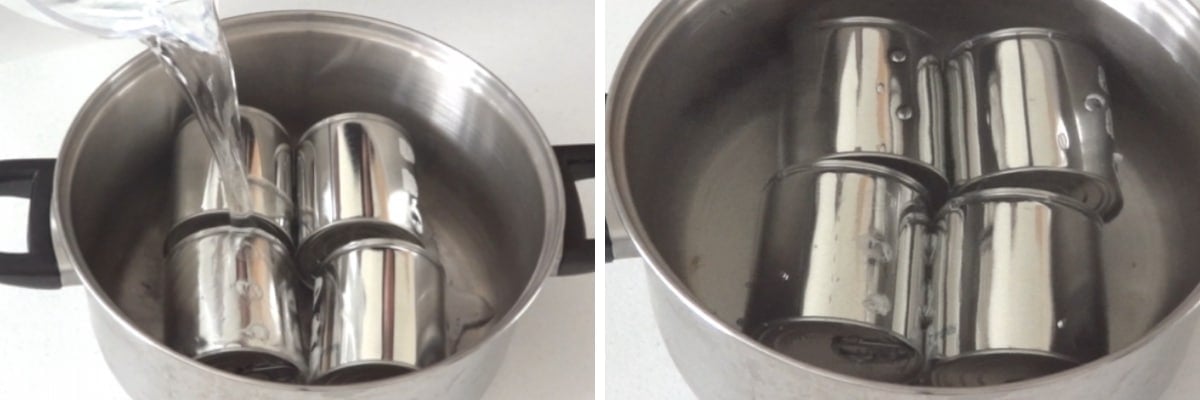
- Adding Water: Pour enough water into the pot to cover the cans by at least 2 inches (5 cm). This is crucial to ensure the cans are fully submerged throughout the cooking process, which helps prevent overheating and ensures even cooking.
3. Simmering:
- Heating the Water: Set the pot over medium-high heat and bring the water to a simmer. Once it reaches a gentle simmer, reduce the heat to very low. This prevents the water from boiling too vigorously, which could potentially cause the cans to shift or heat unevenly.
- Maintaining Water Level: Cover the pot with a lid and check periodically to ensure the water level remains above the cans. As water evaporates, add more as needed to keep the cans fully submerged. This consistent water level is key to achieving the right texture and flavor in the Dulce de Leche.
4. Cooking Time:
- Simmer Duration: Let the cans simmer for about 3.5 hours. This duration will result in a thick, rich Dulce de Leche with a deep caramel flavor. If a lighter and creamier consistency is preferred, reduce the simmering time to 2 to 2.5 hours.
5. Cooling:
- Cooling in Water: After the simmering time, turn off the heat and allow the cans to cool completely in the water. Do not remove them until they are fully cooled. This step is crucial for safety, as it prevents burns and potential splattering from opening hot cans. Once the cans are completely cool, carefully remove them from the water.
6. Storage:
- Handling and Storing: The Dulce de Leche can either be left in the unopened cans, which are shelf-stable, or transferred to airtight containers. For the best quality, adhere to the use-by date on the original cans.
Different Lengths of Simmering
The duration of simmering plays an important role in the outcome of your Dulce de Leche. A shorter simmering time, typically around 2 to 2.5 hours, results in a lighter and creamier caramel spread. This version is perfect for drizzling over desserts or spreading on toast.
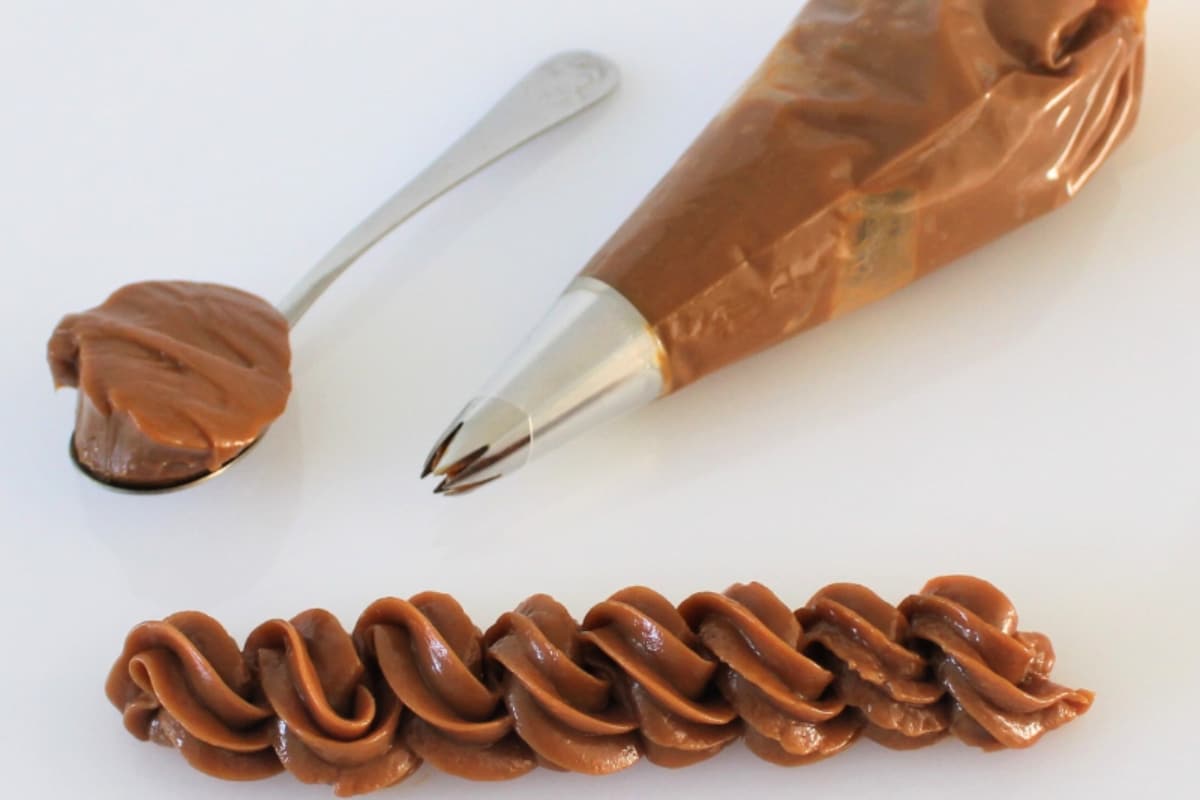
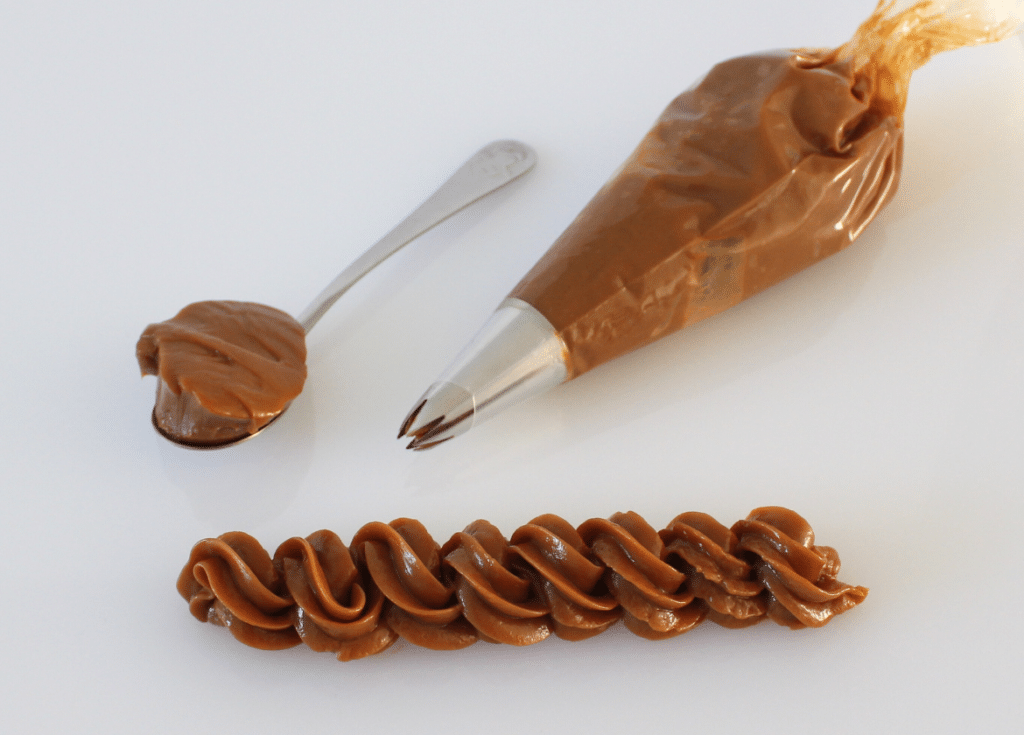
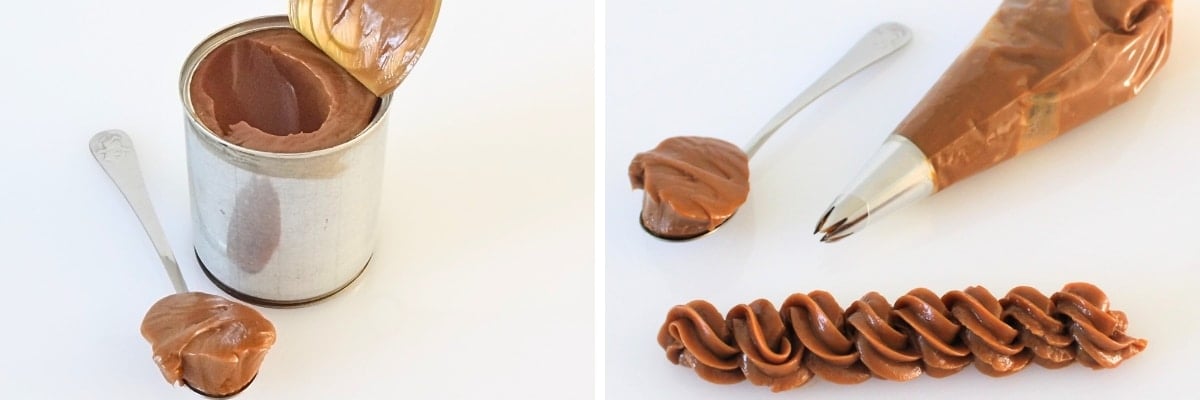
On the other hand, a more extended simmering time, ranging from 3 to 4 hours, gives a thicker and darker Dulce de Leche with intensified caramel flavors which pipes BEAUTIFULLY! This variation is ideal for filling pastries, layering cakes, or simply enjoying by the spoonful for an indulgent experience.
Additional Consideration When Making Dulce de leche
Simmering cans of sweetened condensed milk to make caramel is a common practice. However, it's crucial to use cans that are specifically labelled as "sweetened condensed milk" and not evaporated milk. Most cans are lined with a food-safe coating, but it's always wise to check the manufacturer's instructions and labels for any specific warnings or recommendations. The video below clearly shows all the steps and points out the necessary precautions to take along the way.
By understanding the influence of simmering time on thickness and taste, and by taking the necessary precautions, you can master the art of making this sweet and indulgent treat. Whether you prefer a lighter drizzle or a thick, decadent spread, simmering cans of sweetened condensed milk opens the door to a world of delightful possibilities.
Serving Suggestions
Dulce de Leche is a versatile treat that can be used in a variety of ways to enhance both sweet and savory dishes. Here are some popular uses:
- As a Spread: Use Dulce de Leche as a delicious spread on toast, bagels, or pancakes. It adds a rich, caramel flavor that transforms simple breakfasts into something special.
- In Desserts: Incorporate it into desserts like cakes, cupcakes, and brownies. You can use it as a filling between cake layers, a swirl in brownies, or as a topping for cupcakes.
- Topping for Ice Cream: Drizzle it over ice cream or frozen yogurt for a decadent, caramel-like topping. It pairs particularly well with vanilla or chocolate flavors.
- In Baking: Use Dulce de Leche in baking recipes such as cookies, pastries, or tarts. It can be used as a filling for alfajores (South American cookies), as a layer in cheesecakes, or as a base for caramel tarts.
- In Coffee and Beverages: Stir a spoonful into your coffee, hot chocolate, or lattes for a sweet and creamy twist. It can also be blended into milkshakes or smoothies for added flavor.
- As a Dip: Serve Dulce de Leche as a dip for fresh fruit, churros, or even pretzels. Its sweet, creamy texture complements the natural sweetness of fruits and the salty crunch of pretzels.
- Frosting and Sauces: Use it as a base for frosting or sauces. Mix it with cream or butter to create a rich frosting, or thin it out with a little milk or cream for a drizzle-able sauce.
- In Candies and Confections: Incorporate it into homemade candies or confections, such as truffles or caramel-filled chocolates.
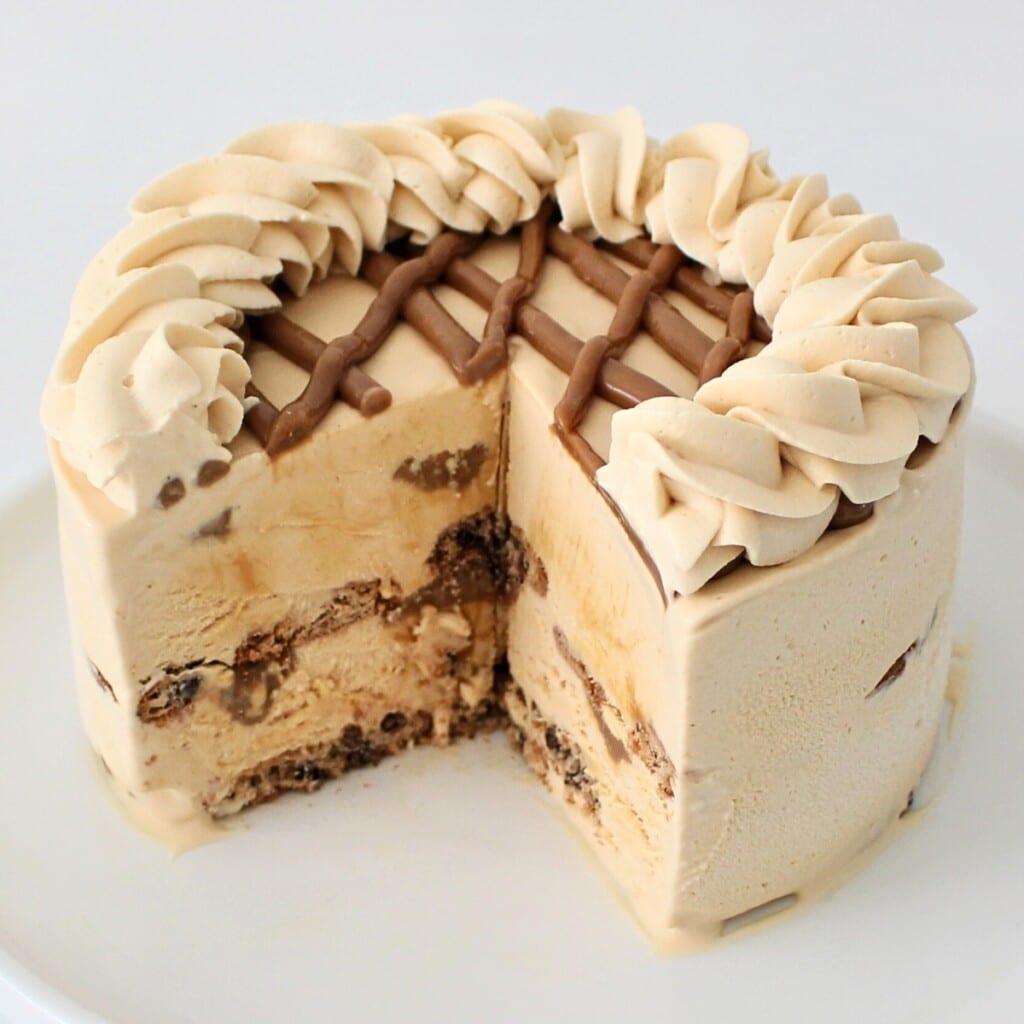
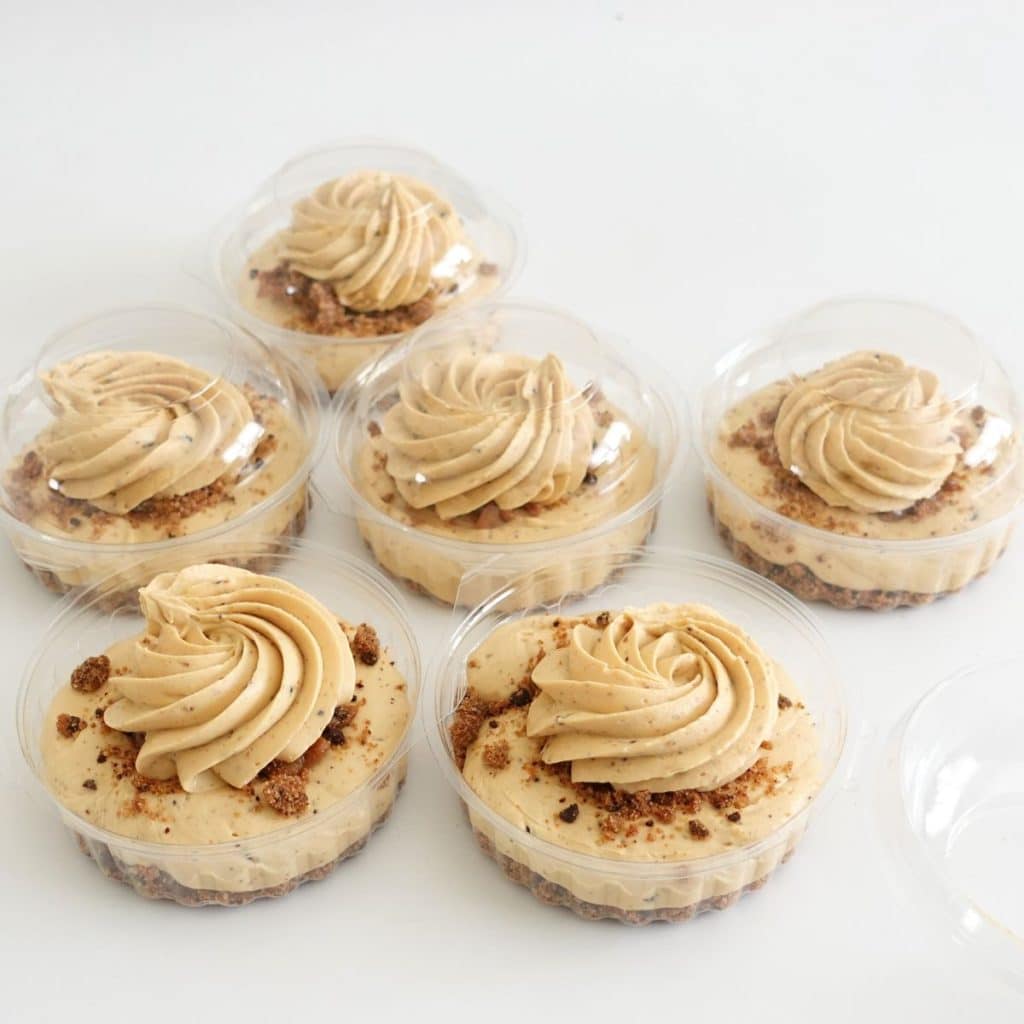
Desserts Using Dulce de leche
Frequently Asked Questions
No, evaporated milk is not a suitable substitute for this recipe. Sweetened condensed milk contains sugar and has a thick, syrupy consistency, which caramelizes during the cooking process to form Dulce de Leche. Evaporated milk lacks the necessary sweetness and texture.
The cans are safe to open once they have completely cooled. This is important to prevent burns and ensure that the contents have settled. Cooling the cans in the water bath helps avoid any pressure build-up inside the cans.
NO! Let the cans cool naturally in the water. Rapid cooling, such as placing hot cans in cold water or the refrigerator, can cause the cans to rupture or lead to inconsistent texture in the Dulce de Leche.
Yes, you can use a slow cooker. Place the unopened cans in the slow cooker and cover them completely with water. Cook on low for 8-10 hours, depending on your desired consistency. Ensure the cans are always fully submerged in water during cooking.
Dulce de Leche can be stored in the unopened cans at room temperature, guided by the use-by date on the cans. Once opened or transferred to airtight containers, it should be refrigerated and consumed within two weeks for optimal quality.
DIY Dulce de leche
INGREDIENTS
- 4 cans (4 cans) sweetened condensed milk not use sugar free
- (135.3 floz) water enough to cover cand by 2"/5cm
EQUIPMENT
INSTRUCTIONS
- Remove the labels from all four cans of sweetened condensed milk. This step prevents any paper residue from sticking to the pot during cooking.
- Place the cans in a large pot, ensuring they do not touch each other.
- Pour enough water into the pot to cover the cans by at least 2 inches (5 cm). This ensures even heat distribution during cooking.
- Set the pot over medium-high heat and bring the water to a simmer. Once it starts simmering, reduce the heat to very low. The water should maintain a gentle simmer, not a vigorous boil.
- Cover the pot with a lid, checking occasionally to ensure the water level stays above the cans. Add more water if necessary to keep them fully submerged.
- Allow the cans to simmer on low heat for about 3.5 hours. This duration will produce a thick, rich Dulce de Leche with a deep caramel flavor. For a lighter consistency, reduce the simmering time to 2 to 2.5 hours.
- After the simmering time is up, turn off the heat and let the cans cool completely in the water. CAUTION: Do not remove the cans until they are fully cooled, as this ensures safety and prevents any risk of burns or splattering.
- Once the cans are completely cool, carefully remove them from the water. The Dulce de Leche can be stored in the unopened cans or transferred to airtight containers.
- These are shelf-stable and can be stored at room temperature. For the best quality, be guided by the use-by date on the cans.
NOTES
- Always keep the cans fully submerged in water to prevent overheating and potential can rupture.
- Handle the cans with caution after cooking, as they can retain heat even after cooling.
Linda Cain says
Thank you for sharing this tutorial. Love your work.
I have always made mine using a slow cooker with success. However, in the past year, I have found when opening the cans, it is undercooked and has crystals of sugar throughout the dulce. Any ideas in your box of wisdom as to why this is happening?
Fay says
Hi Linda, if it is undercooked, you can simmer for an extra 30 minutes. In terms of the crystals. be sure to let the cans cool gently in the water. DO not remove them before they have cooled completely.
Tammy says
This is great to know and I worry it but first a question.
Why do you say in the instructions to place the cans in the pan upright but all the photos show the cans on their sides?
Fay says
Hi Tammy, I understand your concern. It can be done either way, The most important thing is to make sure the can are ALWAYS fully submerged in water.
La Dolce Gigi says
Instead of beginning with canned, sweetened condensed milk, have you experience with Nestle's La Lechera Authentic Dulce de Leche, using the simmering process to achieve the thicker repostera result? I'm wondering if the cooking time can be lessened if beginning with the canned dulce de leche. Thank you for your thoughts and for sharing your experience.
Fay says
This is not something I have tried. I start with the sweetened condensed milk because I find it more economical.