
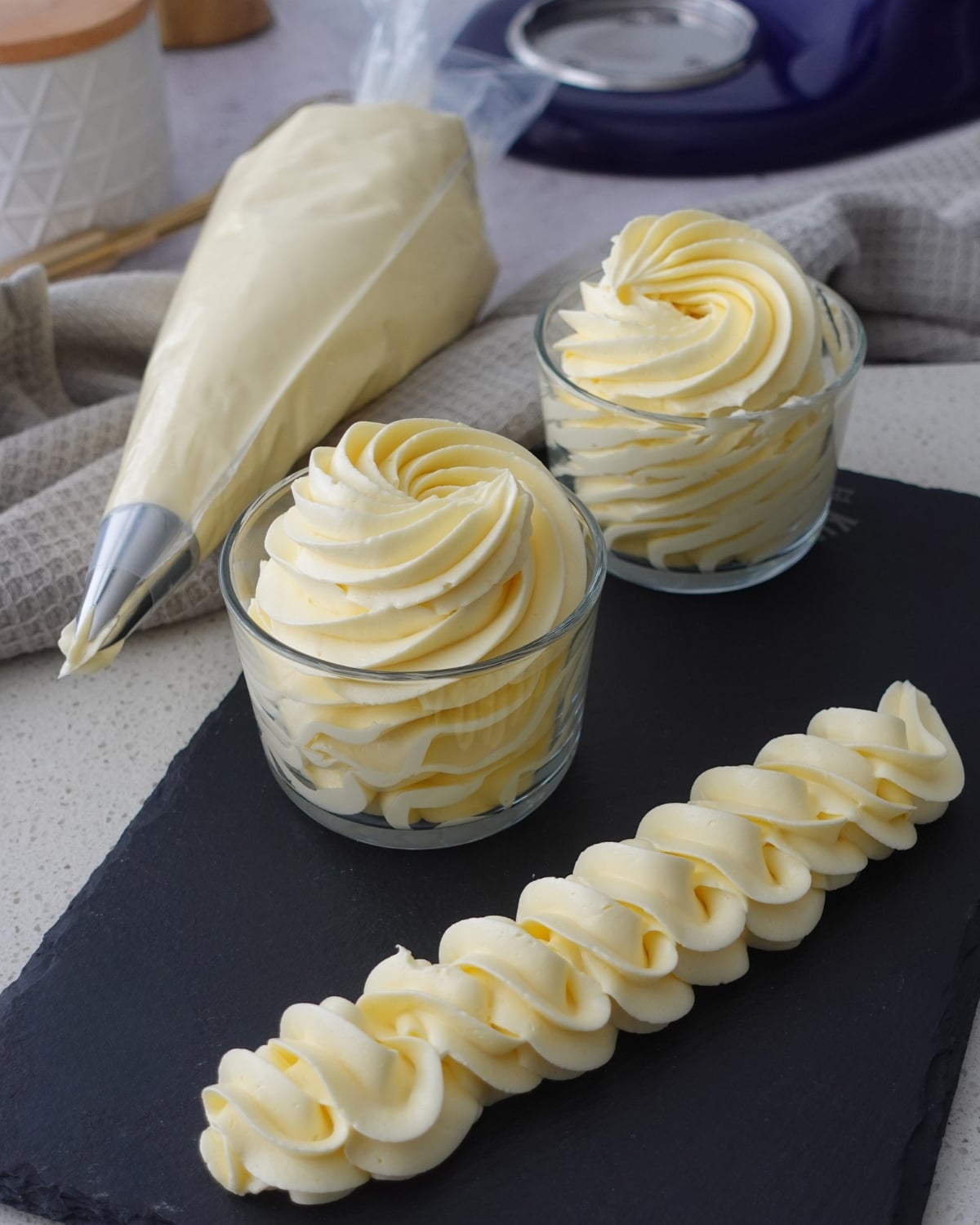
I uploaded this recipe to my YouTube channel in 2016 as a thank you to my subscribers when I hit 10,000. It was my fix for gritty American buttercream, and it's less sweet than a standard American buttercream too. The method is simple: dissolve the powdered sugar in hot water first, then build the buttercream around that. No grit, no crunch, just a smooth, stable frosting with texture close to Swiss Meringue Buttercream, minus the egg whites and stovetop syrup.
SUMMARISE AND SAVE THIS RECIPE
TL;DR (Quick Answer Box)
What it is: A vanilla American style buttercream where the powdered sugar is fully dissolved in hot water before it goes anywhere near the butter, which removes the gritty texture regular buttercream is known for.
Why you'll love it: It's smooth from the first bite, not overly sweet, and stable enough to pipe detailed borders and flowers or cover a full tiered cake. It takes about 30 to 35 minutes start to finish, most of which is hands off mixing time. No eggs, no cooking sugar on the stove.
How to make it: Dissolve powdered sugar, hot water, and vanilla together until smooth. Whip softened butter alone for 10 minutes. Add the dissolved sugar mixture in two additions, then stream in the heavy cream. Keep mixing for another 10 minutes until it comes together smooth and stable.
Why This Recipe Works
- Dissolving the powdered sugar in hot water before mixing removes the grit at the source, instead of trying to whip it out.
- Whipping the butter alone first builds structure and volume before any sugar is added.
- The heavy cream added at the end is optional but gives the texture a silky lux finish.
- Real butter, not margarine, keeps the finished buttercream stable at room temperature and after refrigeration.
- The full 20 minutes of mixing is what brings it together after the curdled looking stage, so it's worth being patient
A Note on the Name
I created this method in 2016 and uploaded it to my YouTube channel as a thank you when I reached 10,000 subscribers. You can still watch the original video for no-grit buttercream, it's since passed 600K views. Since then, it's been copied by a lot of bakers who've changed the quantities, swapped hot water for hot or cold milk or cream, and called it their own. Online, it's become known as hot water buttercream, which is really just a rename of the technique I originally shared. Many of my own followers still know it as no grit buttercream. The liquid you dissolve the powdered sugar in barely matters. Hot water, hot milk, hot cream, they all do the same job of dissolving the sugar so it doesn't turn gritty in the finished buttercream. That's the method, and it's the part that's mine.
Ingredients Used
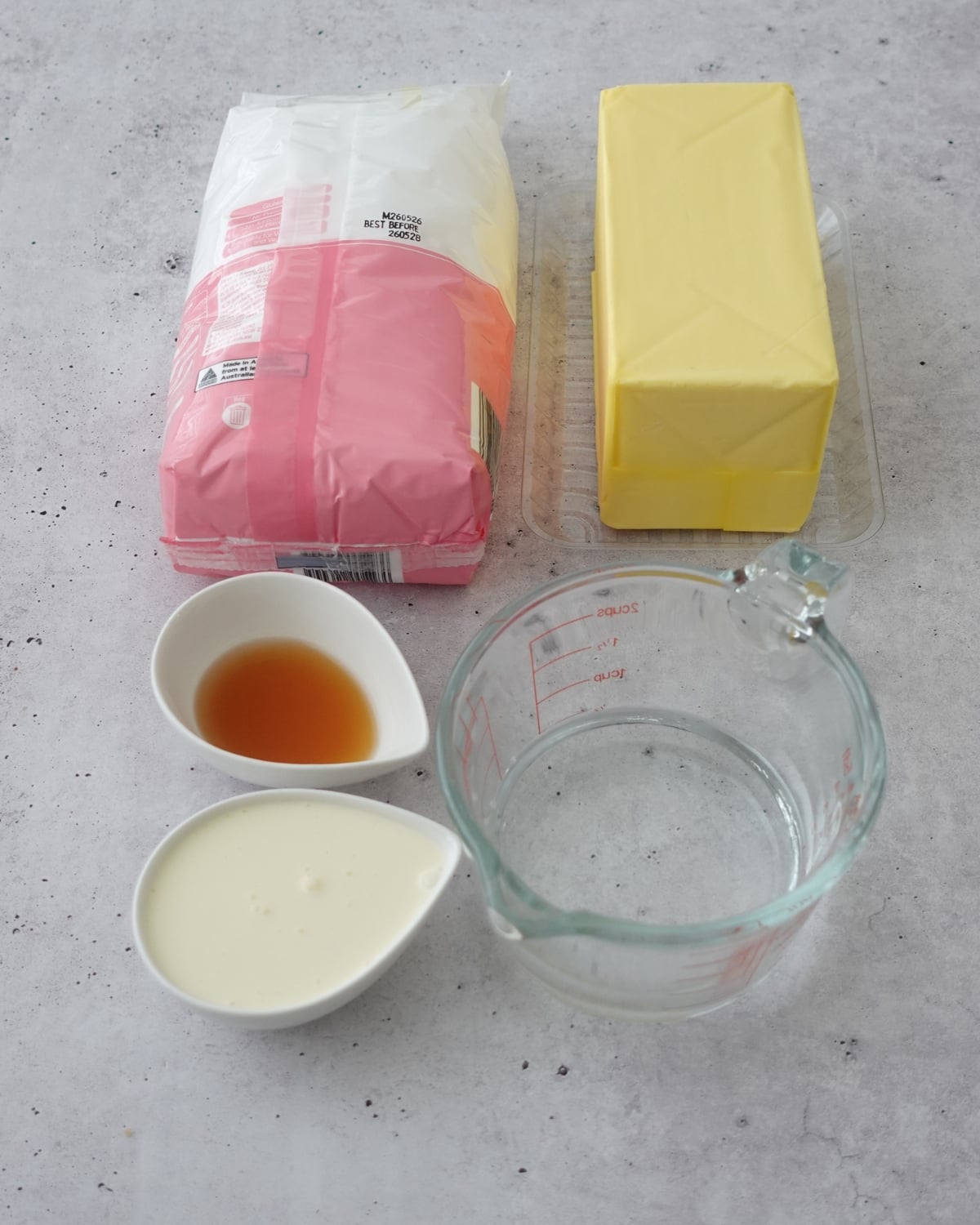
- Butter: Use real butter, not margarine. Margarine has a higher water content and won't give you the same stability, the finished buttercream turns out softer instead of holding its shape.
- Powdered sugar (icing sugar): The base sweetness and structure of a vanilla buttercream. Dissolving it in hot water before mixing is what eliminates the grit.
- Hot water: Dissolves the powdered sugar completely so there's no gritty texture left in the finished buttercream. This is the entire method in one ingredient.
- Vanilla: Flavor. Mixed straight into the dissolved sugar mixture rather than added at the end.
- Heavy cream (thickened cream in Australia): Added toward the end to smooth out the texture further. This is totally optional and was not used in the original version of my No Grit Buttercream. It can provide more of a silky lux mouthfeel and a bit of extra stability.
How to Make Hot Water Buttercream
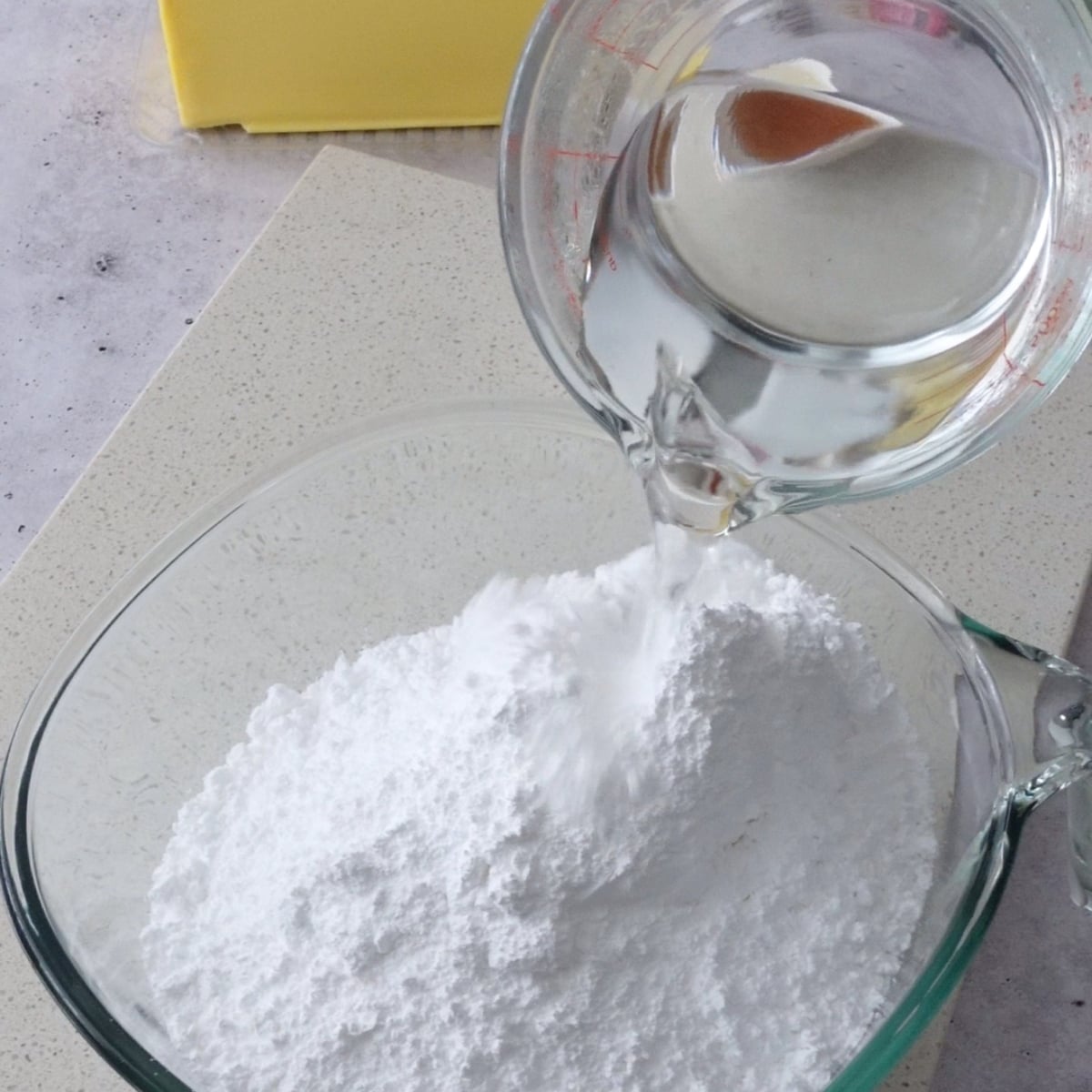
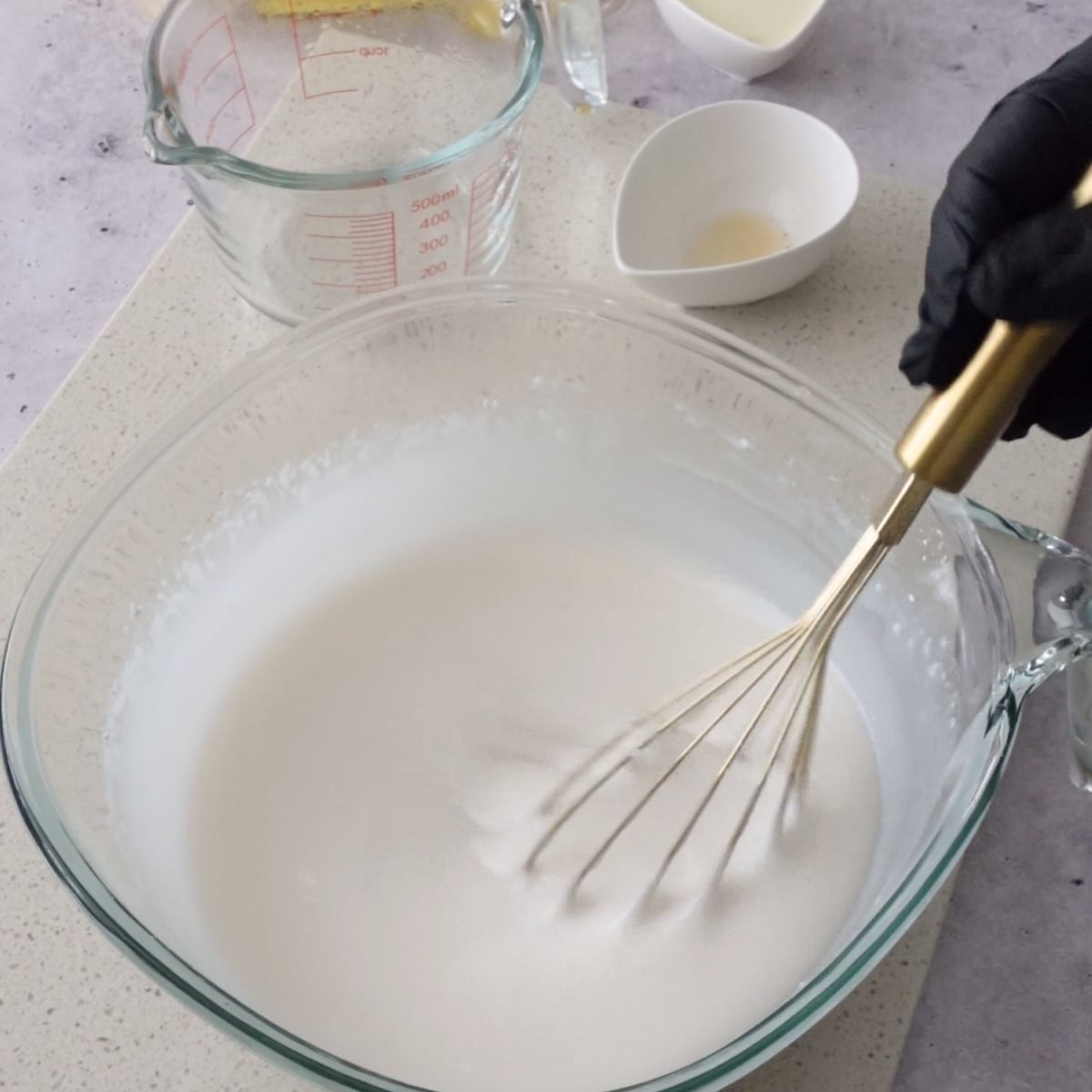
Dissolve the sugar mixture. Add the powdered sugar, hot water, and vanilla to a bowl and mix well until every bit of the powdered sugar has dissolved. Set this aside until you need it.
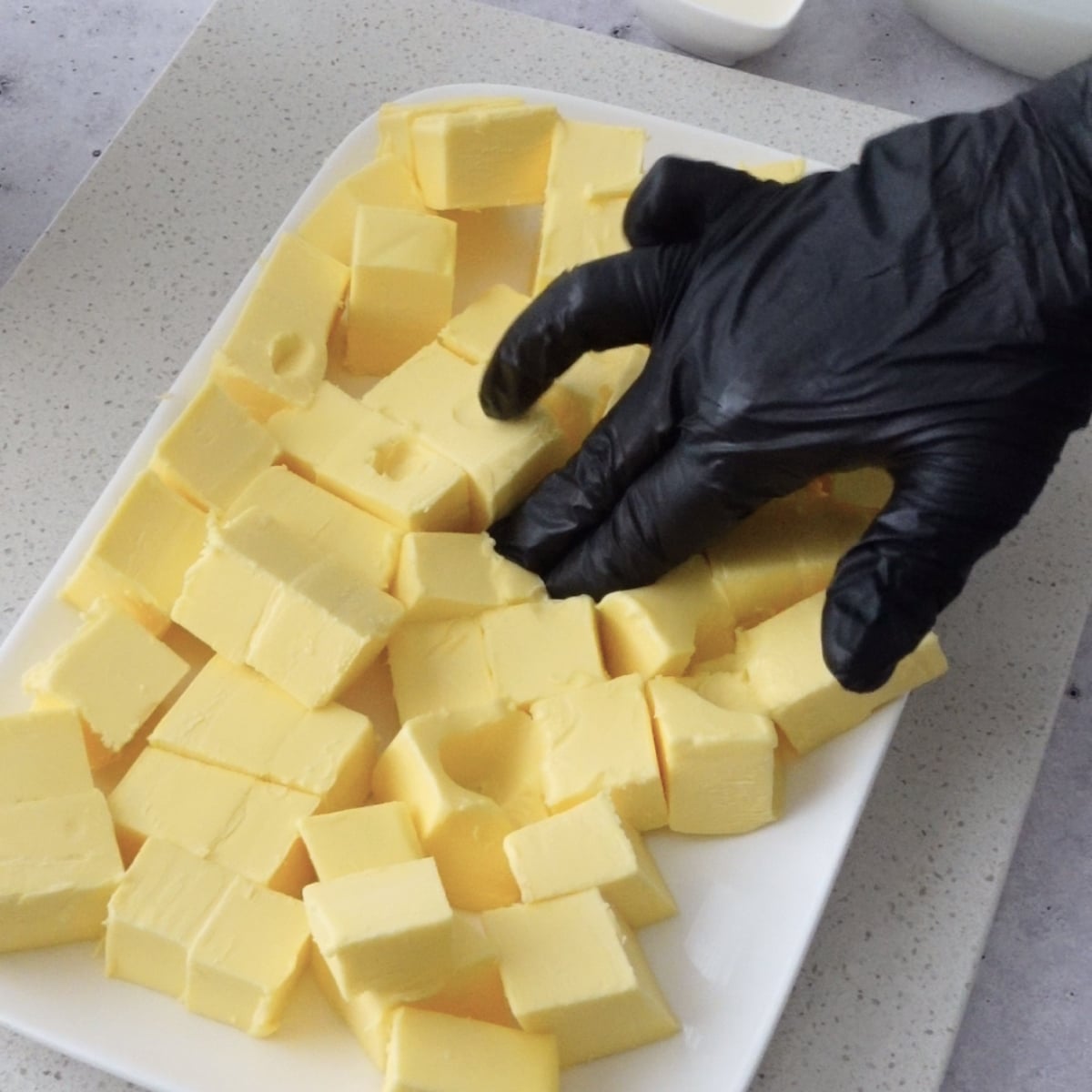
Soften the butter. Cut the butter into cubes. If it's still hard straight from the fridge, microwave it on 50% power in 30 second bursts until it's soft to the touch but not melted.
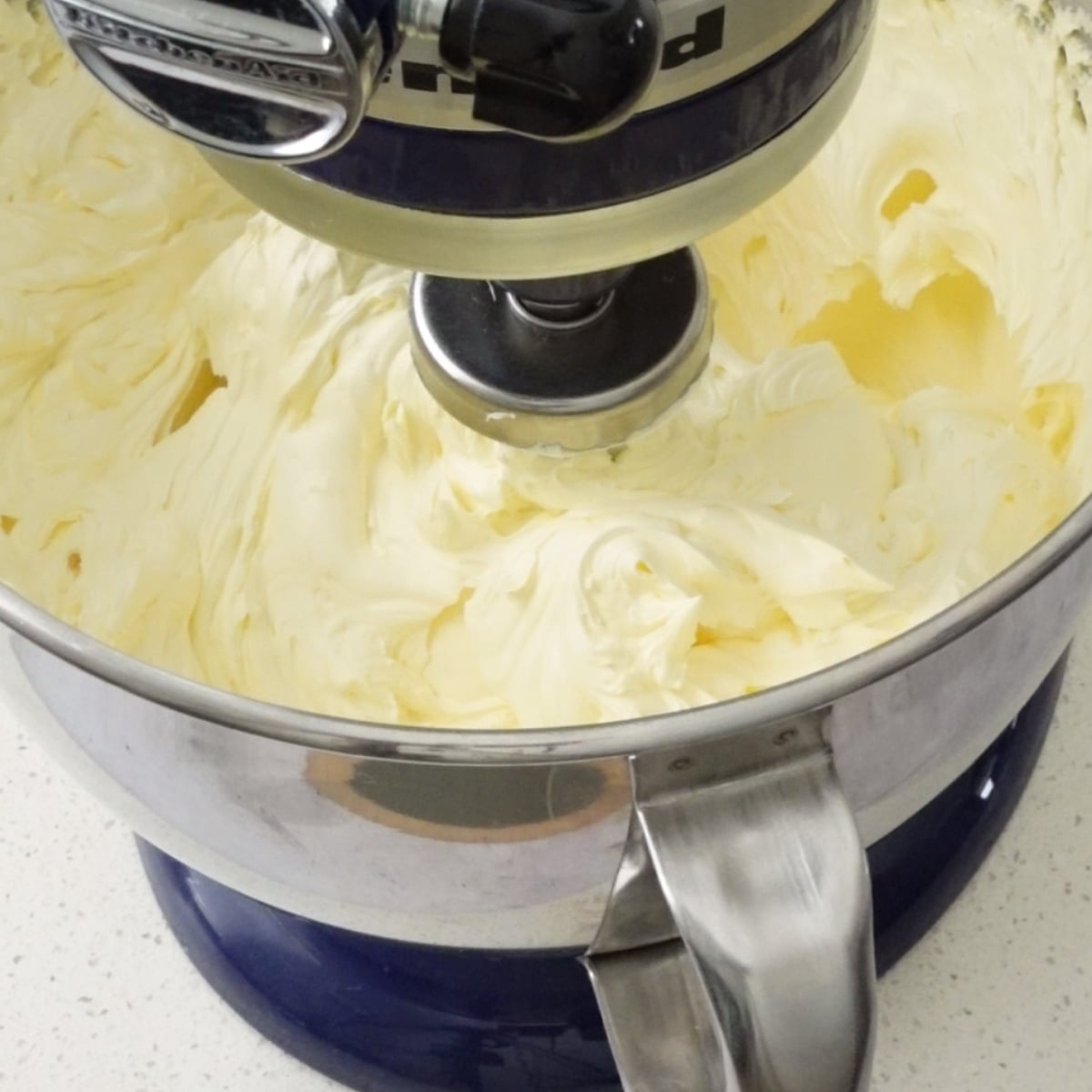
Whip the butter alone. Add the butter to a stand mixer fitted with the paddle attachment and mix on medium for 10 minutes, scraping down the bowl often. The longer you mix it, the more volume it builds.
Add the sugar mixture in two batches. Before adding it, stir the dissolved sugar mixture well since it will have crusted over on top. With the mixer running, slowly add half the sugar mixture and mix for one minute, then add the second half.
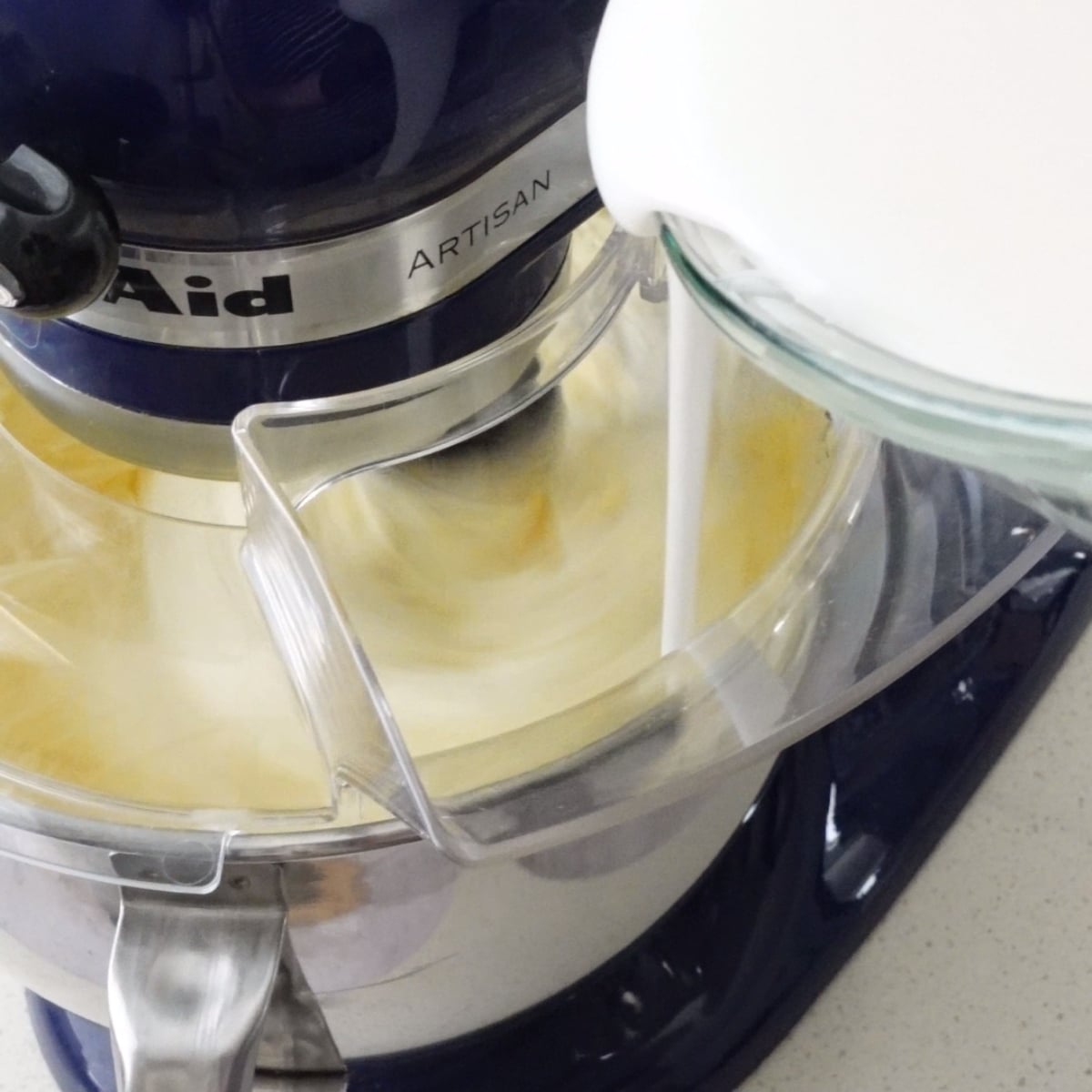
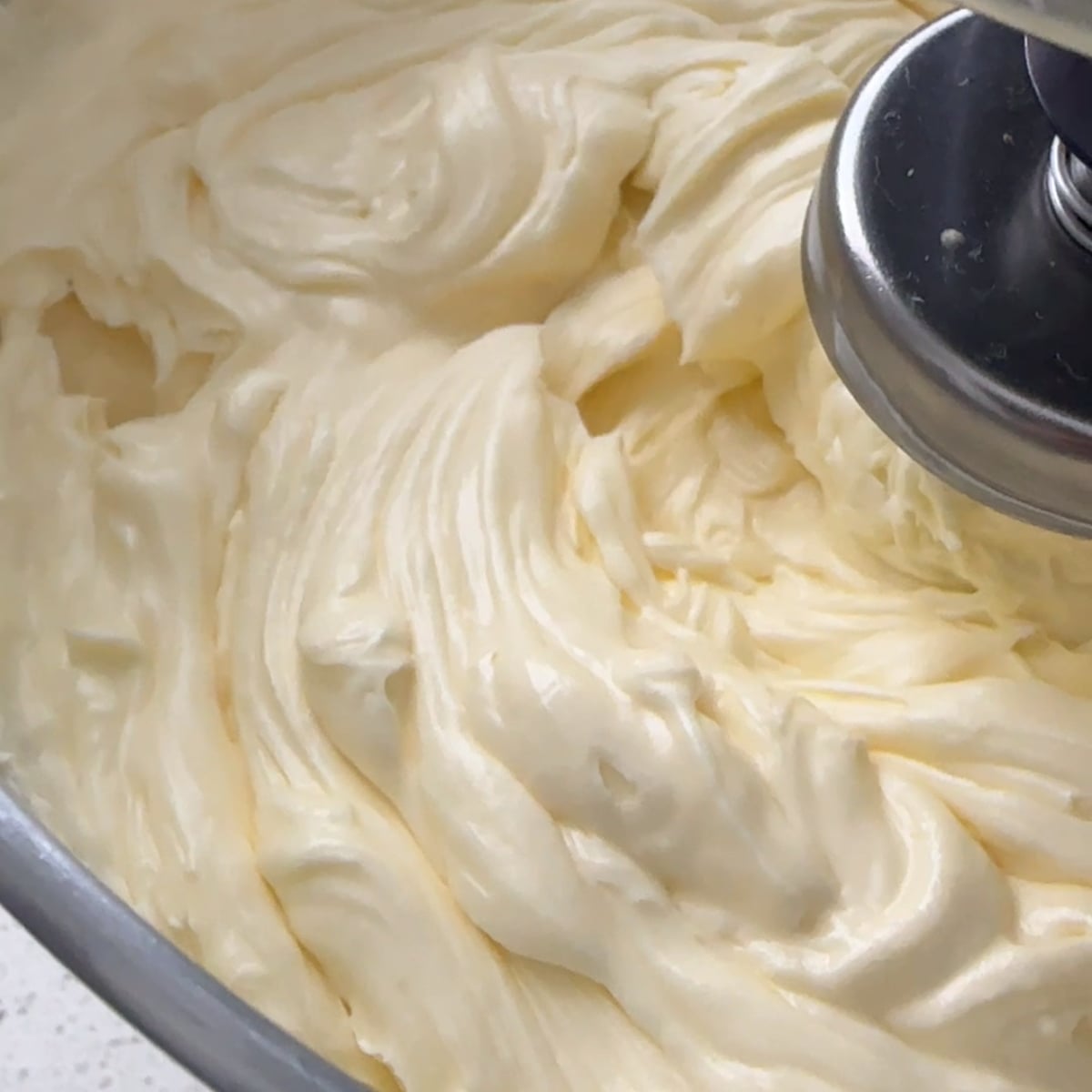
Don't panic at the curdled stage. Once it's all added, the mixture will look curdled. That's completely normal, keep mixing.
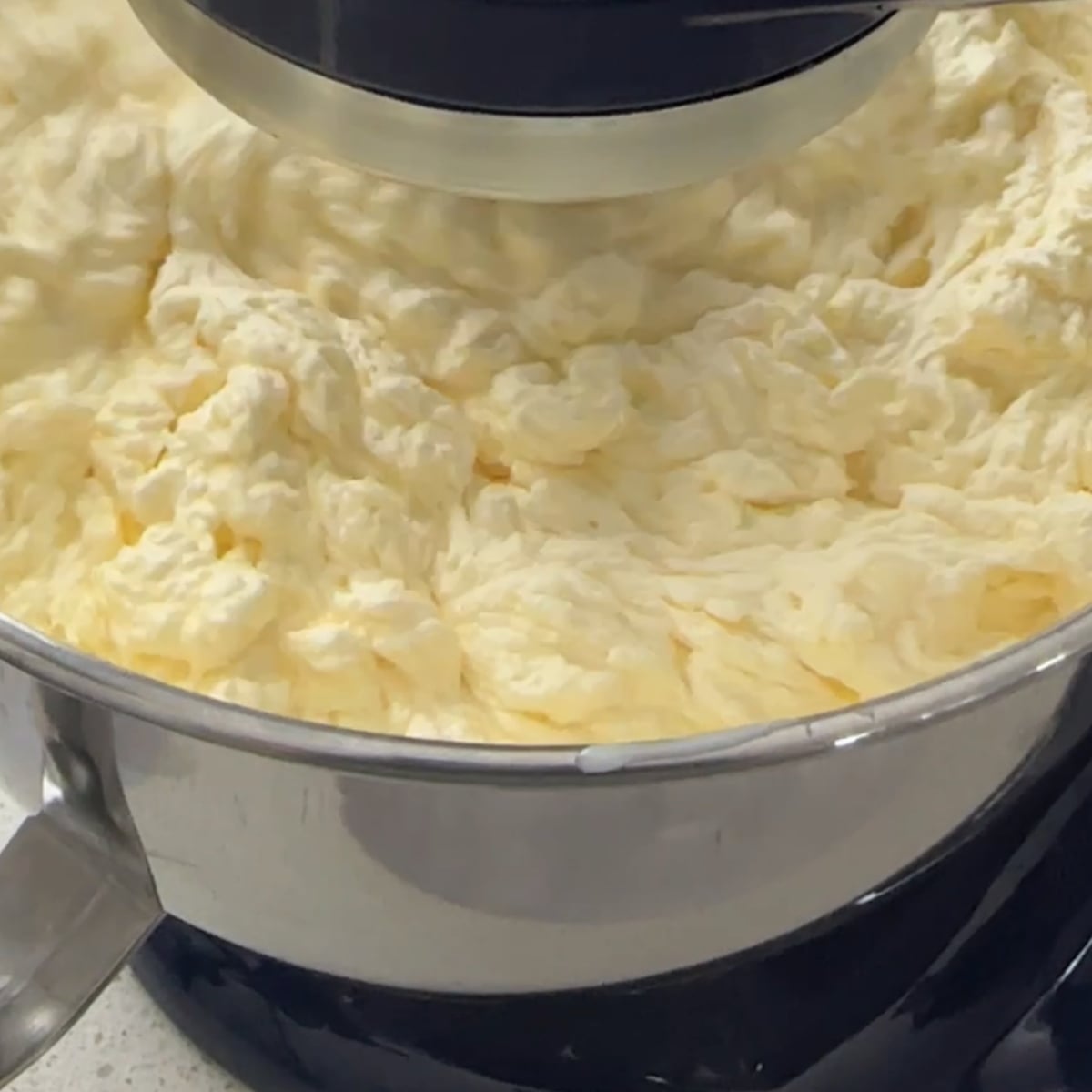
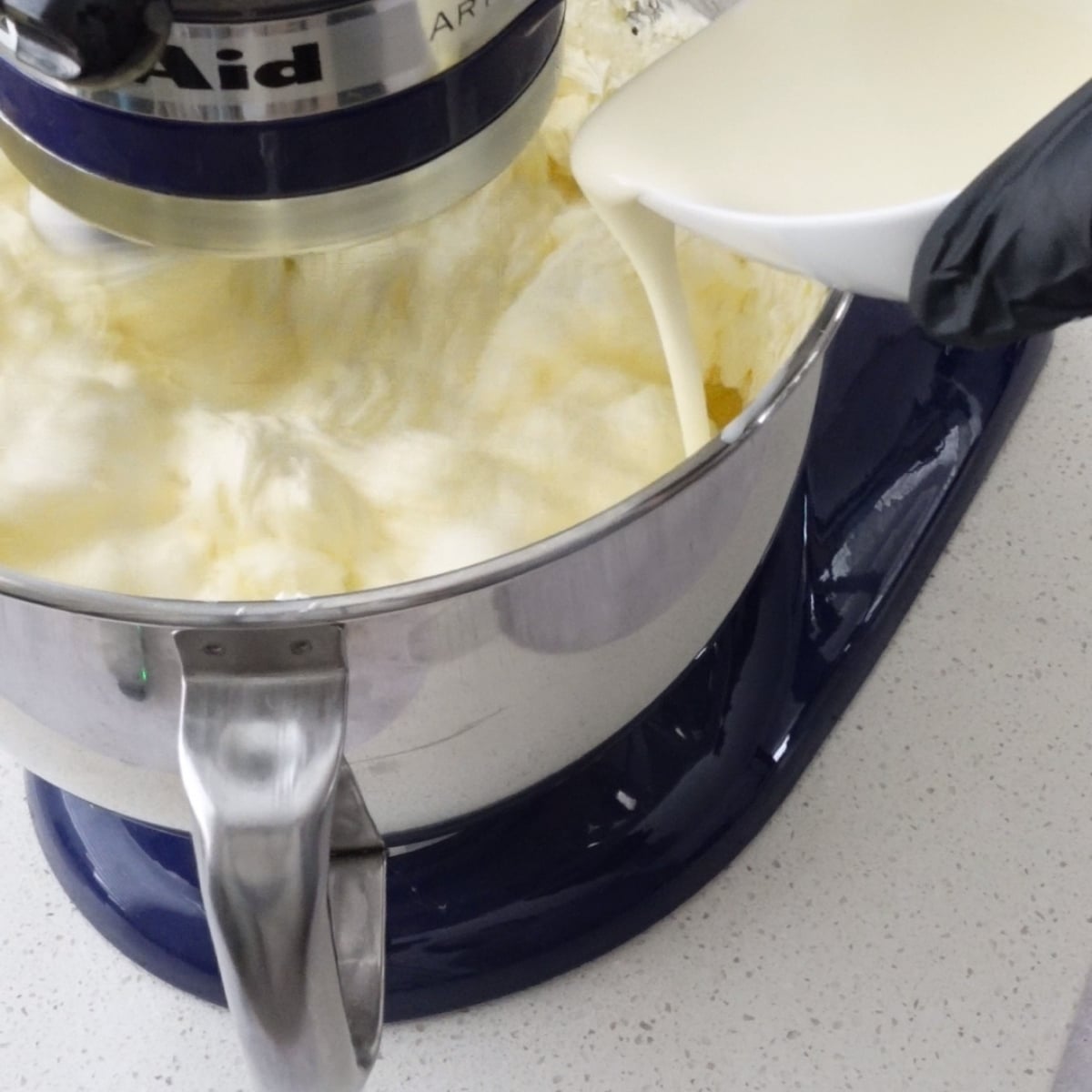
Add the cream. With the mixer running on medium, slowly stream in the heavy cream.
Continue for another 10 minutes, 20 minutes total. On a cold day or in a cold kitchen, it will take longer to come together. Be patient and keep mixing, it will turn smooth.
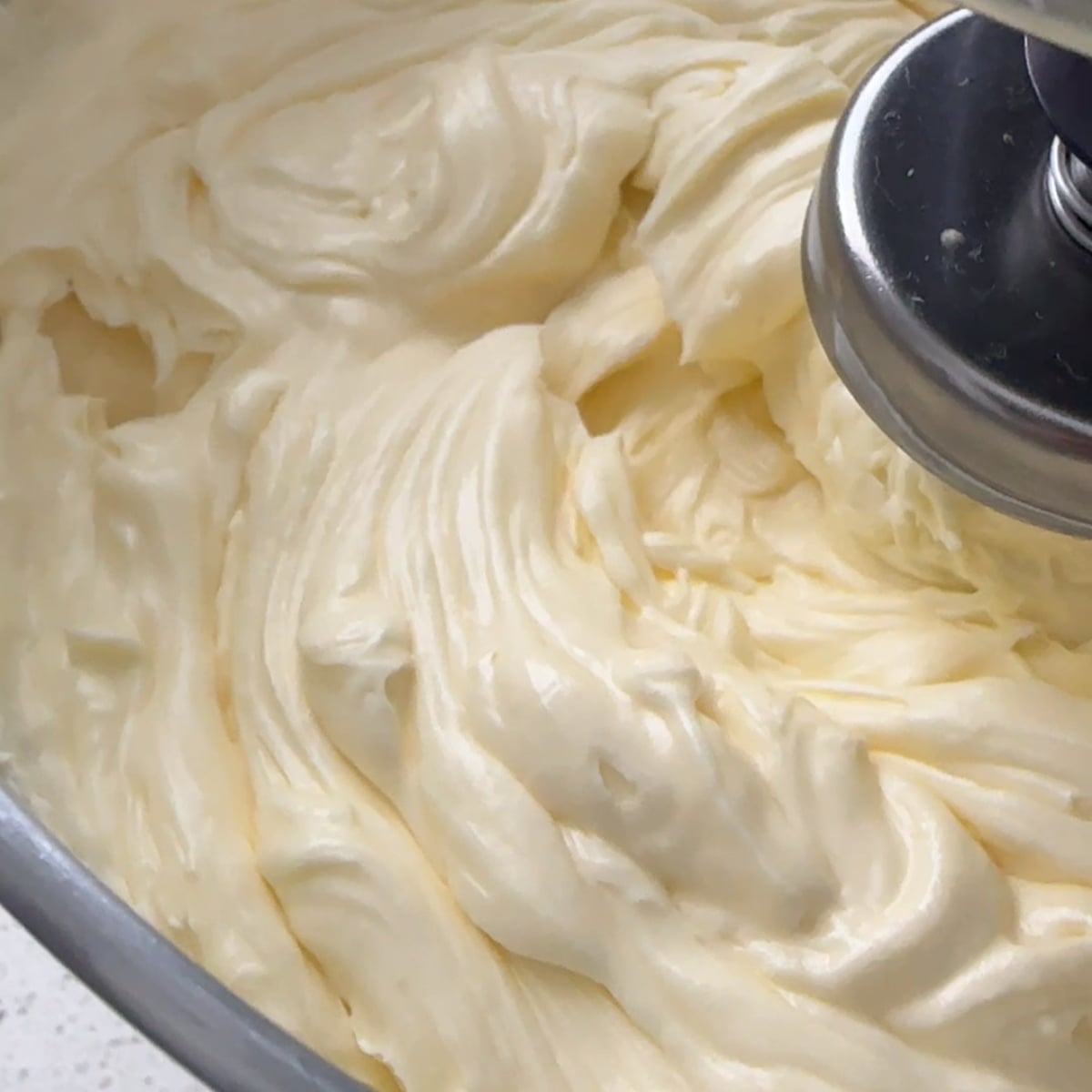
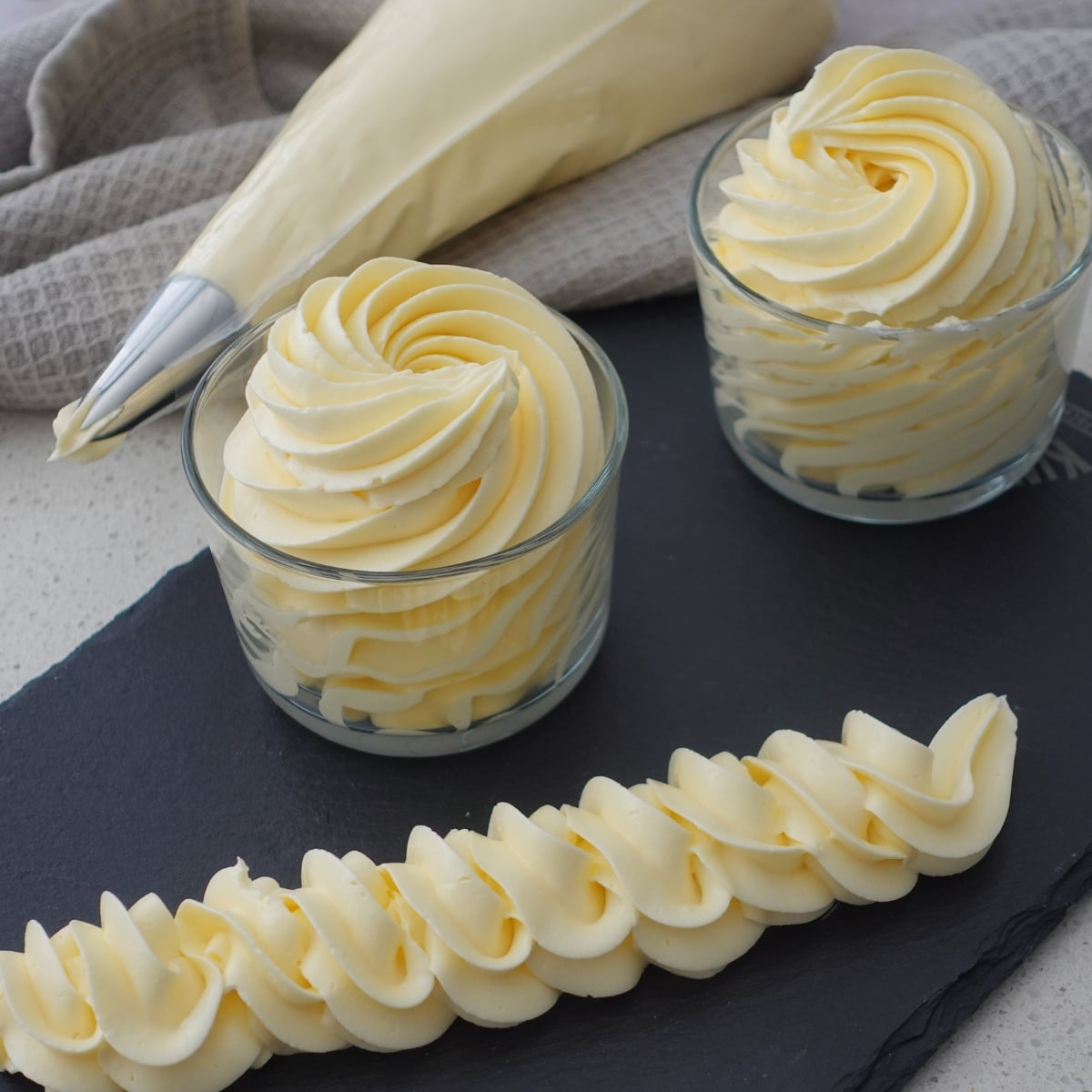
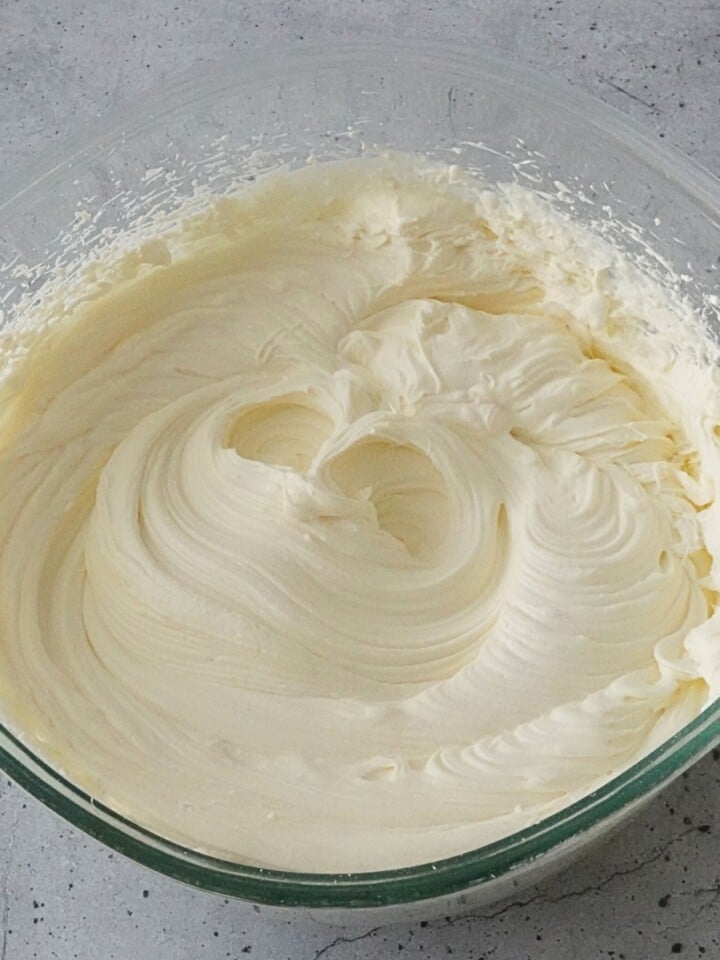
The finished buttercream is stable enough to cover cakes and pipe detailed borders and flowers. Refrigerated, it will harden like regular buttercream but won't crust over, it stays smooth to the touch. Bring it back to room temperature the same way you would American buttercream.
Scaling This Buttercream Recipe
This recipe makes a large batch on purpose. I write it for cake decorators who need enough buttercream for tiered cakes, not just a dozen cupcakes. It scales well, halve it, quarter it, or double it, and the method stays exactly the same.
Variations
Once you've got the base method down, it's easy to build on. I use this same technique across several other recipes on the blog:
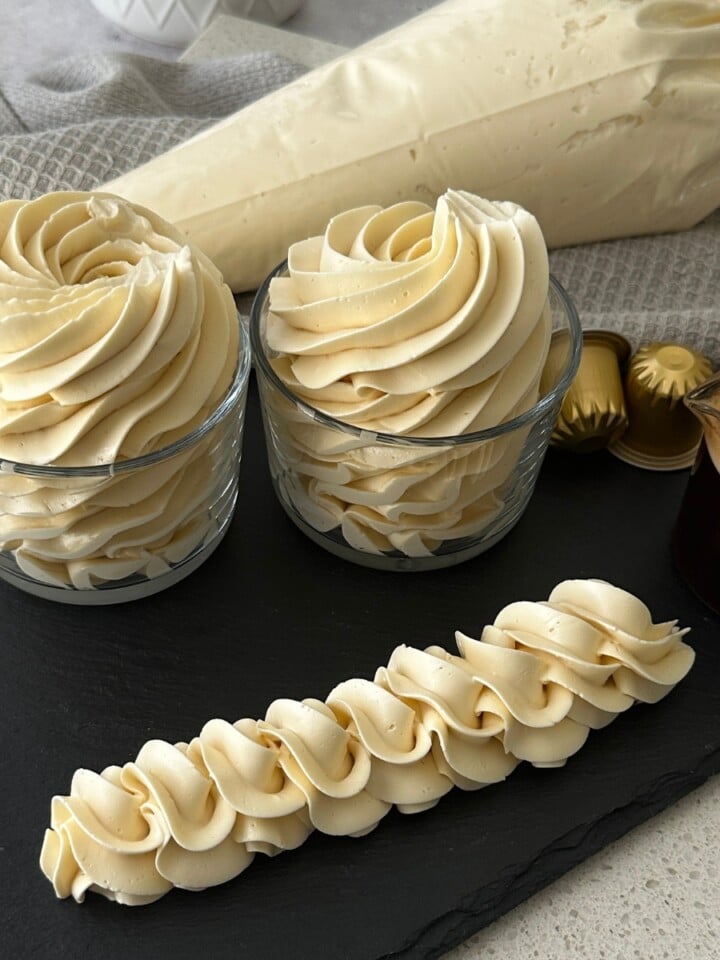
- Coffee Hot Water Buttercream for a straight coffee flavor made with real espresso.
- Nutella Buttercream for a chocolate hazelnut version
- Honeycomb Buttercream for a crunchy caramel twist
- Cream Cheese Buttercream for a tangier finish
- Mocha Buttercream for a coffee chocolate flavor
- Chocolate Buttercream Frosting for a classic chocolate version
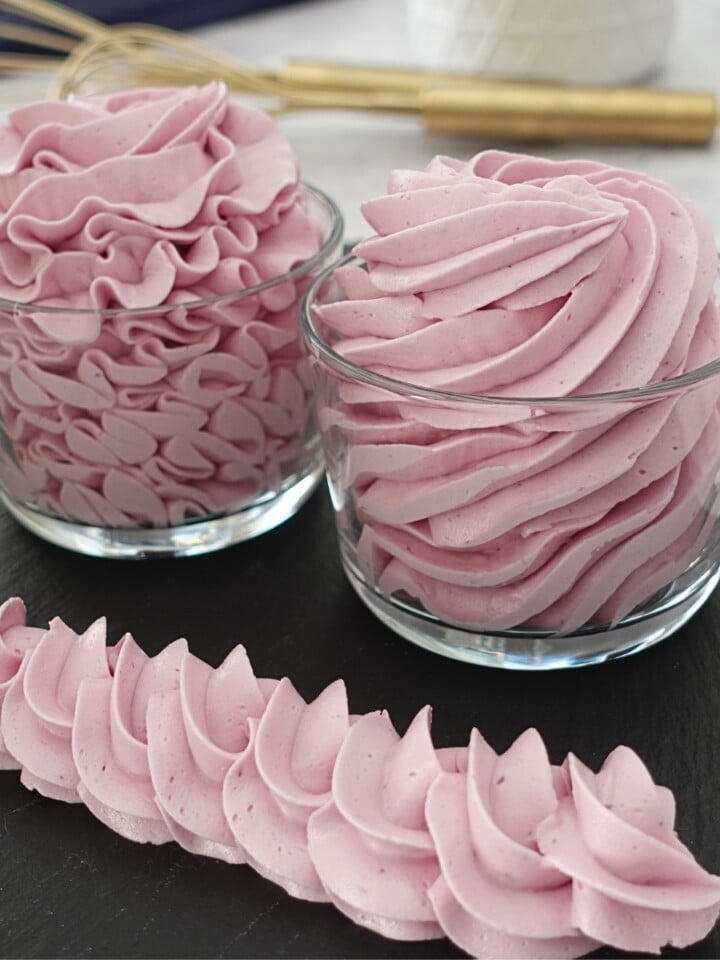
- Ube Hot Water Buttercream uses the same no grit method with real ube powder for a soft purple color and flavor
If you want a version made with a boiled sugar syrup instead of dissolved powdered sugar, my Stable No Grit Biscoff Buttercream uses that approach and holds up even better in warm conditions.
Hot Water Buttercream Questions, Answered
That's completely normal at this stage. Keep mixing on medium and it will come back together smooth once the cream goes in and the full 20 minutes is up.
I don't recommend it. Margarine has more water in it than butter, and the finished buttercream turns out softer and less stable.
Heavy cream gives the smoothest result and the most stability. Milk will work in a pinch but the texture won't be quite as rich or as stable for piping.
It crusts over on top while it sits. Stirring it well before adding it to the butter keeps everything smooth going in.
Yes. I created this method in 2016 and it's since been renamed and reposted by others using hot or cold milk or cream instead of water. The technique of dissolving the sugar in a hot liquid first is the same one either way.
Yes, once it's on a cake or in a piping bag it should be refrigerated if it's not being used within a few hours. It holds its texture well and won't crust over in the fridge.
Pro Tips & Troubleshooting
- If your kitchen is cold, mix longer than 20 minutes total. The buttercream needs the time and mixing to come together, there's no shortcut.
- Always stir the dissolved sugar mixture again right before adding it, it will have crusted over on top while it sat.
- Microwave hard butter on 50% power in 30 second bursts rather than trying to soften it at full power, so it doesn't melt.
- Add the sugar mixture in two additions rather than all at once, it incorporates more evenly.
What to Use This Buttercream On
This buttercream is stable enough for full cake coverage, smooth finishes under fondant, detailed piped borders, and buttercream flowers. It works well on any cake or cupcake where you'd normally reach for American buttercream or Swiss meringue buttercream.
Storage & Serving
Store in an airtight container in the refrigerator for up to a week, or freeze for up to three months. It will harden in the fridge but stays smooth to the touch rather than crusting over. Bring it back to room temperature and re-whip briefly before using, the same way you would with American buttercream.
Make It ✨ Snap It 📸 Share It! 🍨
If you whip up one of my desserts, I'd love to see it! 😍 Tag me on Instagram or Facebook so I can check out your creation. I'll be reposting my favorites and giving shout-outs in my stories! 🎉
🎥 You can also find full dessert video tutorials on my YouTube channel. I post new dessert recipes there all the time, so come join me in the kitchen on YouTube!
It's always fun to see your unique twists on my recipes, so don't be shy, snap a pic and share it! 📢🍰 #CupcakeSavvysKitchen
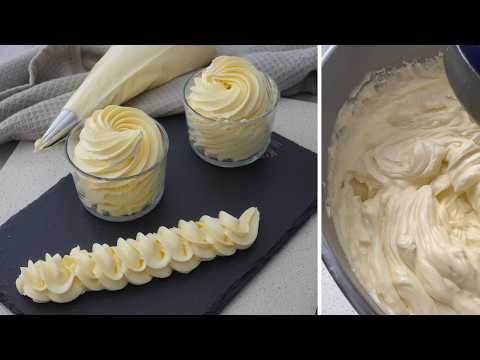
Hot Water Buttercream
INGREDIENTS
- 1 kg (2.2 lb) butter unsalted
- 1 kg (2.2 lb) powdered sugar icing sugar. icing mixture
- 200 ml (¾ cup) water hot
- 1 tablespoon (1 tablespoon) vanilla
- 100 ml (⅓ cup) heavy cream OPTIONAL, called thickened cream in Australia


INSTRUCTIONS
- Add the powdered sugar, hot water, and vanilla to a bowl and mix well until the powdered sugar is fully dissolved. Set aside.
- Cut the butter into cubes. If it's cold and firm, microwave on 50% power in 30 second increments until soft to the touch but not melted.
- Add the butter to a stand mixer fitted with the paddle attachment. Mix on medium for 10 minutes, scraping the bowl often.
- Stir the dissolved sugar mixture well, it will have crusted on top. With the mixer running, add half the sugar mixture and mix for 1 minute, then add the second half.
- The mixture will look curdled once it's all added, this is normal. Keep mixing.
- (Optional, see Notes). With the mixer running on medium, slowly stream in the heavy cream.
- Continue mixing for a further 10 minutes, 20 minutes total. Mix longer on a cold day or in a cold kitchen.
- The buttercream is ready when smooth and stable, similar in texture to Swiss Meringue Buttercream.
NOTES
- Use real butter, not margarine, for stability.
- Scales well, halve, quarter, or double as needed.
- Refrigerate for up to 1 week or freeze for up to 3 months. Will harden in the fridge but won't crust over.
- Bring to room temperature and re-whip briefly before using.
- Heavy cream is optional and wasn't part of the original 2016 recipe, it adds a silky finish and a bit of extra stability but isn't required.

Fiona says
Hi, I have a long (1m) cake to cover - they don’t want fondant only a smooth butter cream finish - I obviously don’t have a fridge long enough to put the cake into - will it be ok over night/24hr out of the fridge? Many thanks!
Fay Khoury says
Hi Fiona, you will need to leave out the cream. It would not be safe to leave out with the cream. Once that is removed, the butter will be ok. Butter is safe to leave out overnight.
nadine nasri says
Hi do you think instead of cream i can add 2 tbls of cornstarch to make more stable without the extra sweetness..does this recipe work for piping flowers, I think the cream would think it out more..
Fay Khoury says
No need to add the cream or cornstarch. It pipes great flowers. I used it in a Buttercream Peony video on my YouTube Channel. This is the link for that video. It's a very old video so please excuse the quality! https://youtu.be/fmUgWbo18eQ?si=NFJb21hSSJcBcR4W
Laney says
I have 48 cupcakes to ice with a star tip, will this recipe be enough to cover? Also, need to make it pink so when would I add that? Thanks so much
Fay Khoury says
Hi Laney, Yes, if it's similar to a Rose Swirl and not a high top ice cream style swirl, then yes. this recipe is plenty for 48 cupcakes.