
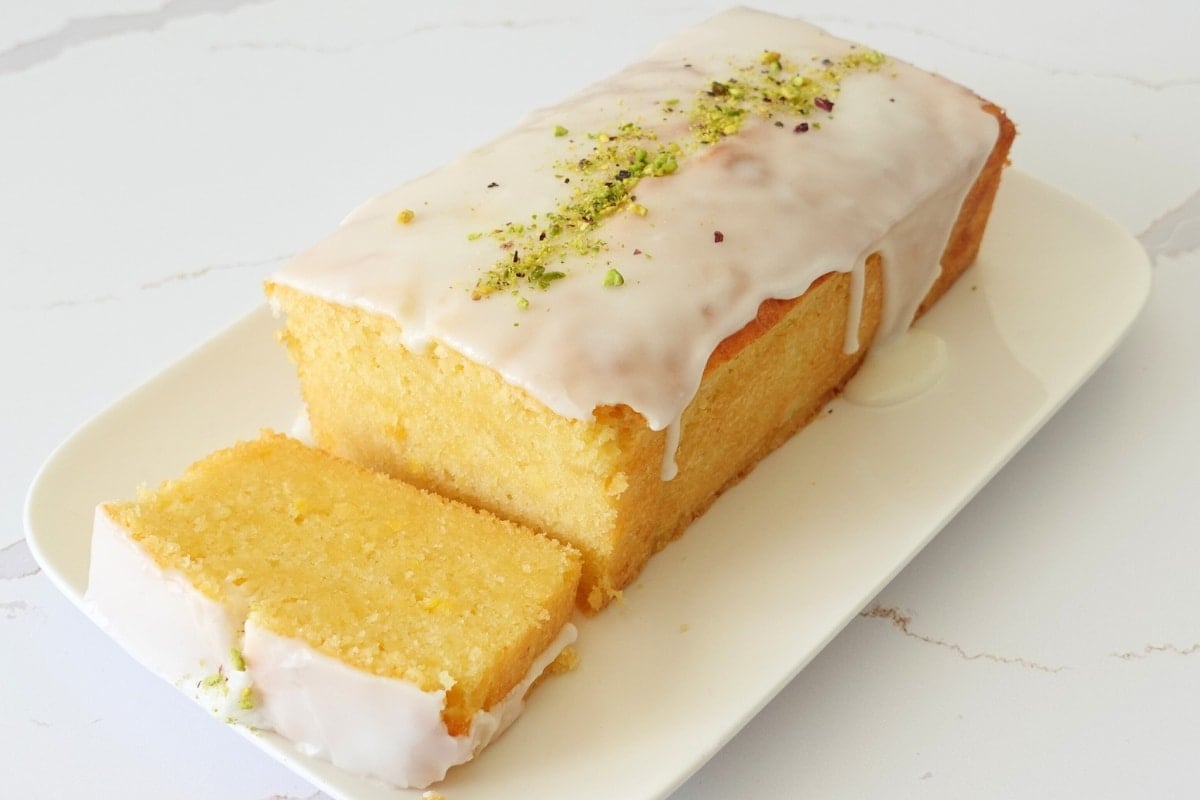
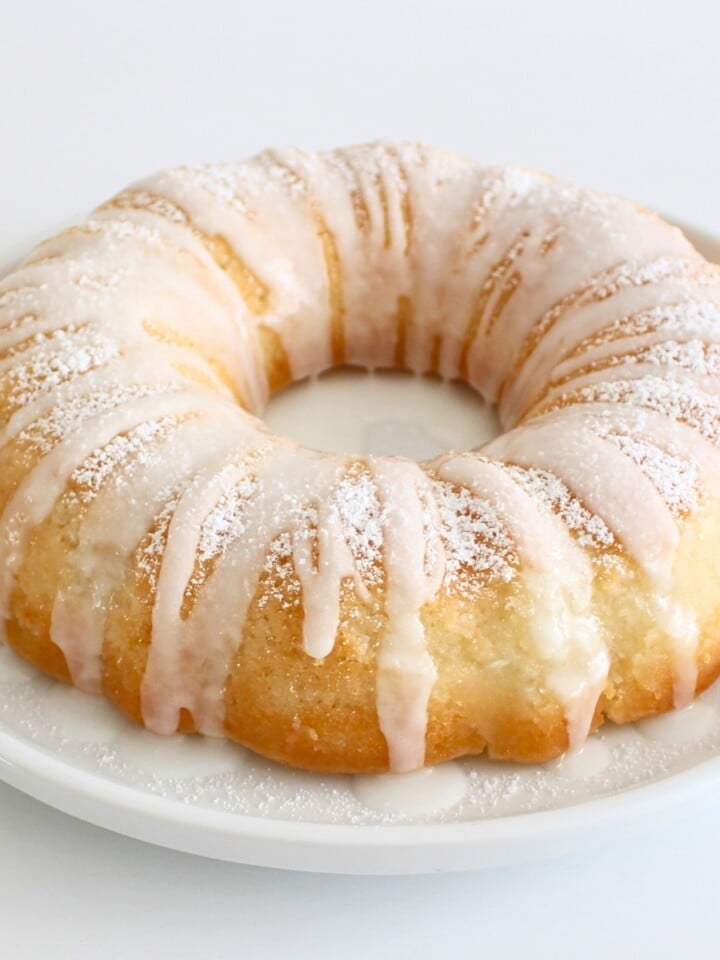
This Lemon Loaf Cake is light, moist, and has the perfect balance of sweetness and tanginess. A simple glaze adds an extra touch of citrus, complementing the soft texture of the cake.

SUMMARISE AND SAVE THIS RECIPE
What makes a good Lemon Loaf Cake?
Strong lemon flavor: The cake should have a noticeable, fresh lemon taste, achieved by using real lemon zest and juice in both the batter and glaze.
Moist texture: The cake should be soft and moist, not dry. This comes from the right balance of fats (like butter and oil) and liquids (milk or lemon juice) in the recipe.
Light crumb: A perfect lemon loaf has a tender crumb, meaning it's soft but holds together when sliced. Overmixing the batter can make the cake dense, so folding the ingredients carefully is key.
Balanced sweetness: A good lemon loaf isn't too sweet. The tang from the lemon balances out the sugar, creating a cake that's flavorful but not overly sugary.
Simple glaze: The lemon glaze on top should add an extra punch of citrus without overpowering the cake. It also gives the cake a slight sheen and extra moisture.
Ingredients in Lemon Loaf Cake
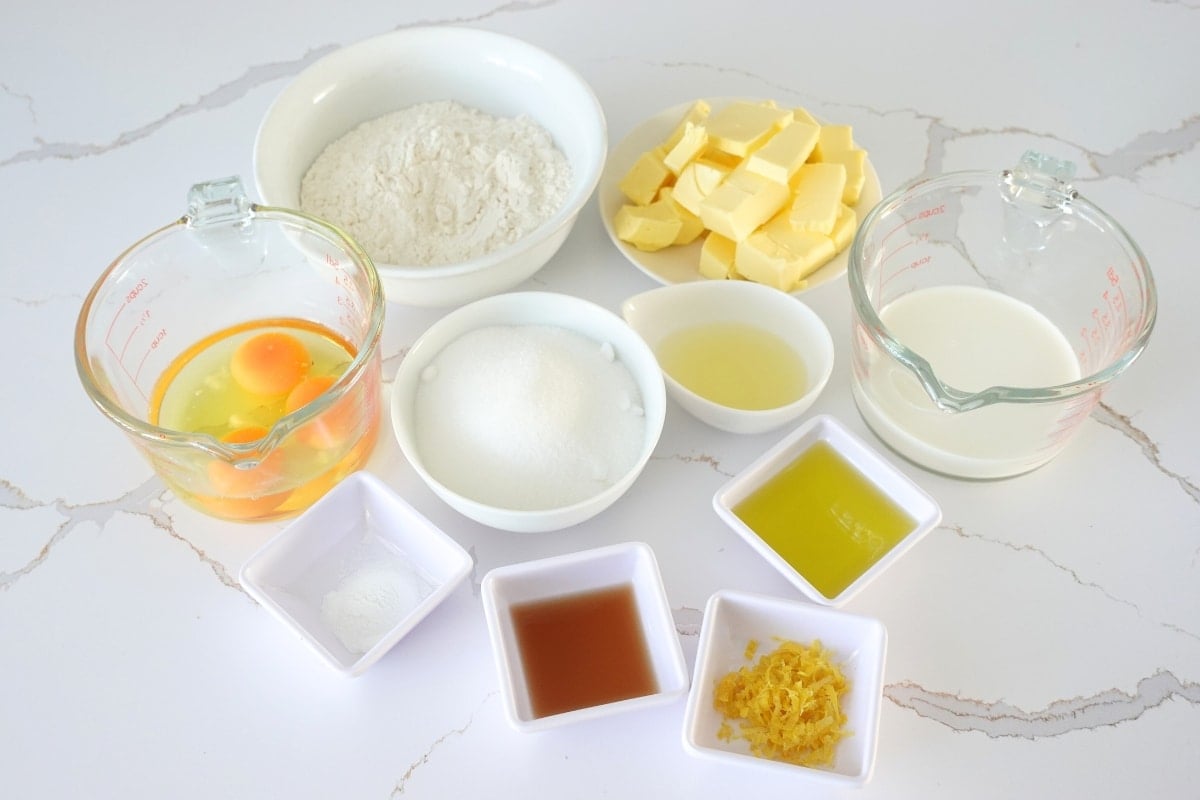
- Sugar (200g/1 cup): Provides sweetness and contributes to the cake's texture by helping to aerate the batter when creamed with the butter.
- Lemon zest (2 tsp): Adds a bright, citrusy flavor to the cake. The oils in the lemon peel give the cake its fresh, tangy taste.
- Salted butter (110g/1/2 cup): Adds richness and flavor to the cake. The fat helps create a tender crumb, and the salt balances the sweetness.
- Avocado oil (30ml/2 tbsp): Helps keep the cake moist and tender. Avocado oil is a healthy fat that doesn't overpower the lemon flavor.
- Eggs (3 large): Provide structure and moisture to the cake. Eggs help the batter rise and give the cake a light, airy texture.
- Lemon juice (30ml/2 tbsp): Enhances the lemon flavor and adds acidity, which reacts with the baking powder to help the cake rise.
- All-purpose flour (200g/1 ½ cups): The base of the cake, giving it structure. The gluten in flour helps hold the cake together.
- Vanilla extract (2 tsp): Adds a subtle, warm flavor that complements the lemon without overpowering it.
- Baking powder (1 tsp): A leavening agent that helps the cake rise and become light and fluffy.
- Milk (120ml/1/2 cup): Adds moisture and helps create a tender crumb. The liquid also helps dissolve and distribute the other ingredients evenly.
- Powdered sugar (120g/1 cup): Used for the frosting, powdered sugar dissolves easily to create a smooth glaze.
- Lemon juice (2 tsp): Added to the glaze for an extra kick of lemon flavor.
- Milk (2 tsp): Helps thin the powdered sugar into a pourable glaze consistency, creating a smooth finish on the cake.
How To Make Lemon Loaf Cake
Preheat the oven: Set the oven to 160°C (320°F). Preheating ensures the cake bakes evenly right from the start. Line loaf pan with baking paper.
Cream the butter, sugar, and lemon zest: Add the softened butter, sugar, and lemon zest to a bowl. Using a hand mixer, beat the mixture until it's light and fluffy. This step helps incorporate air into the batter, making the cake lighter.
Add the oil: Once the butter, sugar, and zest are creamed, add the avocado oil. Mix briefly to combine. The oil keeps the cake moist and soft.
Scrape the bowl: Use a spatula to scrape down the sides and base of the bowl, ensuring all the ingredients are evenly mixed.
Add the eggs: Add the eggs one at a time, mixing well between each addition. Eggs help the cake rise and add structure, giving it a soft, tender texture.
Add vanilla and lemon juice: Mix in the vanilla extract briefly, then add the lemon juice. The batter may curdle at this point, but that's normal.
Add the milk: Pour in the milk and mix well. The milk adds moisture and helps keep the lemon loaf cake soft.
Sift the dry ingredients: Place a strainer over the bowl and sift in the flour and baking powder. Sifting helps remove lumps and aerates the flour, resulting in a lighter cake.
Fold the batter: Use a silicone spatula to gently fold the flour mixture into the wet ingredients. Mix just until no visible flour remains. Be careful not to overmix, as it can lead to a dense cake.
Bake: Transfer the batter into the prepared loaf pan. Bake for 55-65 minutes, or until a toothpick inserted into the center comes out clean.
Cool: Let the cake cool in the pan for 10 minutes. Then, transfer it to a wire rack to cool completely.
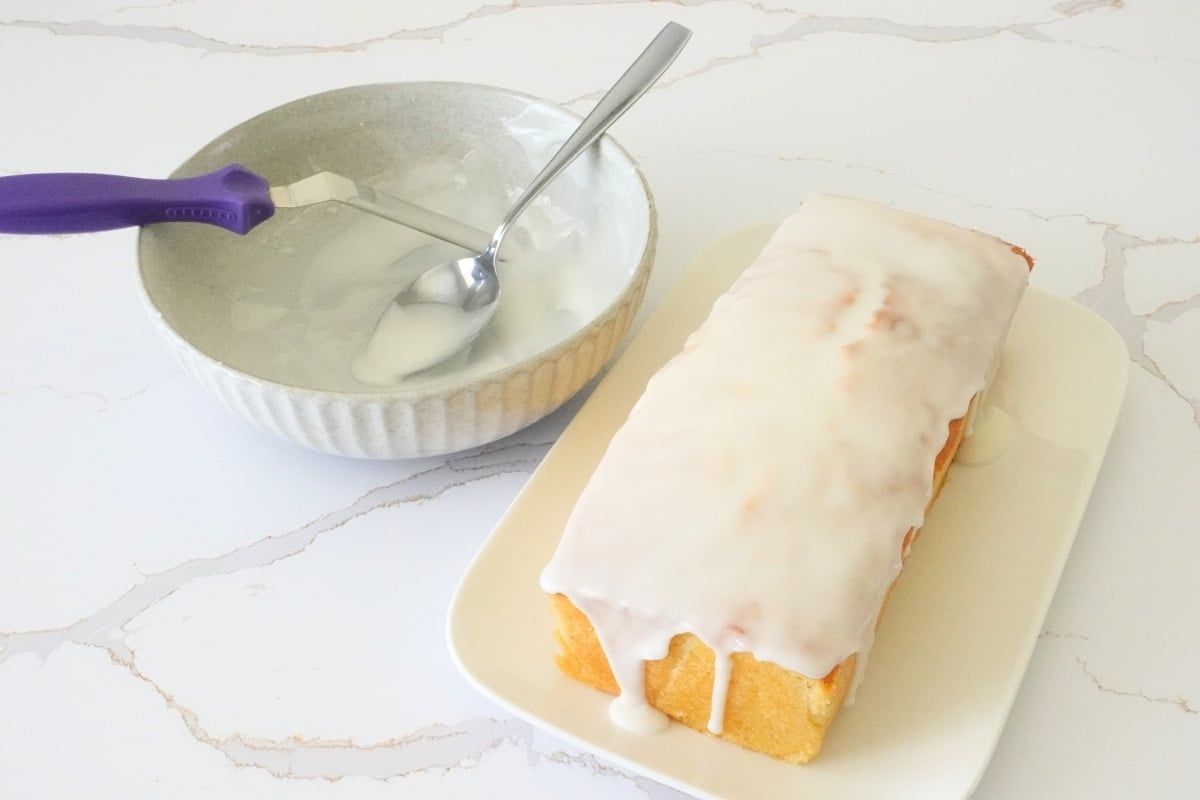
Make the frosting: In a separate bowl, combine the powdered sugar, lemon juice, and milk. Whisk until smooth to create a glaze.
Fay's Top Tip
One top tip for this Lemon Loaf Cake recipe is to avoid overmixing the batter after adding the flour. Overmixing can lead to a dense, tough cake because it develops the gluten in the flour. After adding the dry ingredients, gently fold them into the wet mixture just until no visible flour remains. This keeps the cake light and tender with a soft crumb.
More Lemon Desserts
Recipe Variations
- Lemon Blueberry Loaf Cake: Add 1 cup (150g) of fresh or frozen blueberries to the batter. Coat the berries in a little flour before folding them into the batter to prevent them from sinking.
- Poppy Seed Lemon Loaf: Stir in 2 tablespoons of poppy seeds for added texture and a slight crunch. Poppy seeds pair well with the lemon flavor.
- Lemon Coconut Loaf: Add ½ cup (40g) of shredded coconut to the batter. Top the glaze with toasted coconut flakes for a tropical twist.
- Gluten-Free Lemon Loaf: Substitute the all-purpose flour with a gluten-free flour blend. Make sure it's a 1:1 replacement to ensure the texture remains soft.
- Lemon Raspberry Loaf: Fold in 1 cup (150g) of fresh raspberries for a sweet and tart combination. The raspberries add a burst of flavor and color to the cake.
- Lemon Drizzle Loaf: Instead of a thick glaze, make a simple lemon syrup by combining lemon juice and sugar, then drizzle it over the warm cake for a more intense lemon flavor and extra moisture.
- Buttercream Topping: My Lemon Curd Buttercream makes a tasty alternate topping!
Common Questions
Fresh lemon juice is recommended because it provides a brighter, more natural flavor. Bottled lemon juice can be used in a pinch, but it might not give the same fresh taste.
A dense cake is usually the result of overmixing the batter or not incorporating enough air while creaming the butter and sugar. Mix just until the ingredients are combined to keep the cake light.
You can refrigerate it for up to a week or freeze it for up to 3 months.
If the glaze is applied while the cake is still too warm, it will soak into the lemon loaf cake instead of sitting on top. Make sure the cake is fully cooled before glazing to prevent this.
Lemon Loaf Cake
INGREDIENTS
Lemon Cake
- 200 g (1 cups) sugar
- 2 teaspoon (2 teaspoon) lemon zest
- 110 g (½ cups) butter salted, softened
- 30 ml (2 tablespoon) avocado oil or other vegetable oil
- 3 (3) eggs large
- 30 ml (2 tablespoon) lemon juice
- 200 g (1½ cups) all-purpose flour
- 2 teaspoon (2 teaspoon) vanilla
- 1 teaspoon (1 teaspoon) baking powder
- 120 ml (½ cups) milk
Frosting
- 120 g (1 cups) powdered sugar
- 2 teaspoon (2 teaspoon) lemon juice
- 2 teaspoon (2 teaspoon) milk
Optional Garnish
- ground pistachios
EQUIPMENT
INSTRUCTIONS
- Preheat the oven to 160°C (320°F). Line a 9.8" loaf pan with baking paper.
- Cream the butter, sugar, and lemon zest: Add the softened butter, sugar, and lemon zest to a bowl. Mix well using a hand mixer.
- Add the oil: Once combined, add the avocado oil and mix briefly.
- Scrape the bowl: Scrape down the sides and base of the bowl to ensure everything is well mixed.
- Add the eggs: Add the eggs one at a time, mixing well between each addition.
- Add vanilla and lemon juice: Add the vanilla extract and mix briefly. Then, add the lemon juice and mix briefly. The mixture will curdle, but that's fine.
- Add the milk: Pour in the milk and mix until well combined.
- Sift the dry ingredients: Place a strainer over the bowl and sift in the flour and baking powder.
- Fold the batter: Use a silicone spatula to fold the flour into the wet mixture. Mix briefly until no visible flour remains. Avoid overmixing.
- Bake: Transfer the batter into the prepared loaf pan. Bake for 55-65 minutes, or until a toothpick inserted into the center comes out clean.
- Cool: Let the cake cool in the pan for 10 minutes, then transfer it to a wire rack to cool completely.
- Make the frosting: Combine powdered sugar, lemon juice, and milk in a bowl. Whisk until smooth and pour over the cooled cake.
- Serve: Optionally garnish with ground pistachios. Slice and enjoy your fresh lemon loaf cake.
NOTES
- Room temperature eggs blend better with the batter, ensuring a smoother texture.
- For extra lemon flavor, increase the amount of lemon zest in the batter.
- Don't overmix the batter; mix just until the ingredients are combined to keep the cake soft.
- If the frosting is too thick, add a little more milk; if it's too thin, add more powdered sugar.
Jana Jaap says
Can I cube this up and use in a trifle instead of a pound cake? Or will it be too soggy,especially if I make it the day before serving?
Fay says
Great idea! It will work well in a trifle.
Elizabeth says
Maybe it's been asked previously, but what type of loaf pan is that? I've never seen one that pulls apart.
Lemon loaf looks delicious and I can't wait to make it.
Fay says
Hi Elizabeth! I have linked it in the recipe card for you.
Wezyl says
Hi, am Wezyl.
I'd like to ask if the cake can be baked in regular round pans?
I love your recipes, thanks for always sharing
Fay says
Hi Wezly! Yes, you can bake the lemon cake in a regular round pan. I'm glad you like my recipes.
Nina Moreno says
Best lemon loaf ever! Thank you.
Fay says
How fabulous! I’m thrilled you like it!
Shana says
May I ask what milk you use? 2% or whole milk? I think my Mother would love this being a big lemon fan!!!
Fay says
Hi Shana, I have used whole milk 🙂
Shana says
Thank you! That is what I thought. Have a great week!!
Nicole Cossee says
I can’t wait to try this cake, as we love lemons. If I’m using unsalted butter instead of salted, how much salt should I add?
Thank you
Fay says
Great! Around 1/4 tsp will be plenty 🙂
Nicole says
Fantastic, that’s easy. Thank you for fast response.
Sara Vpillai says
I love it
Fay Khoury says
How fabulous! It's definitely a keeper 🙂